
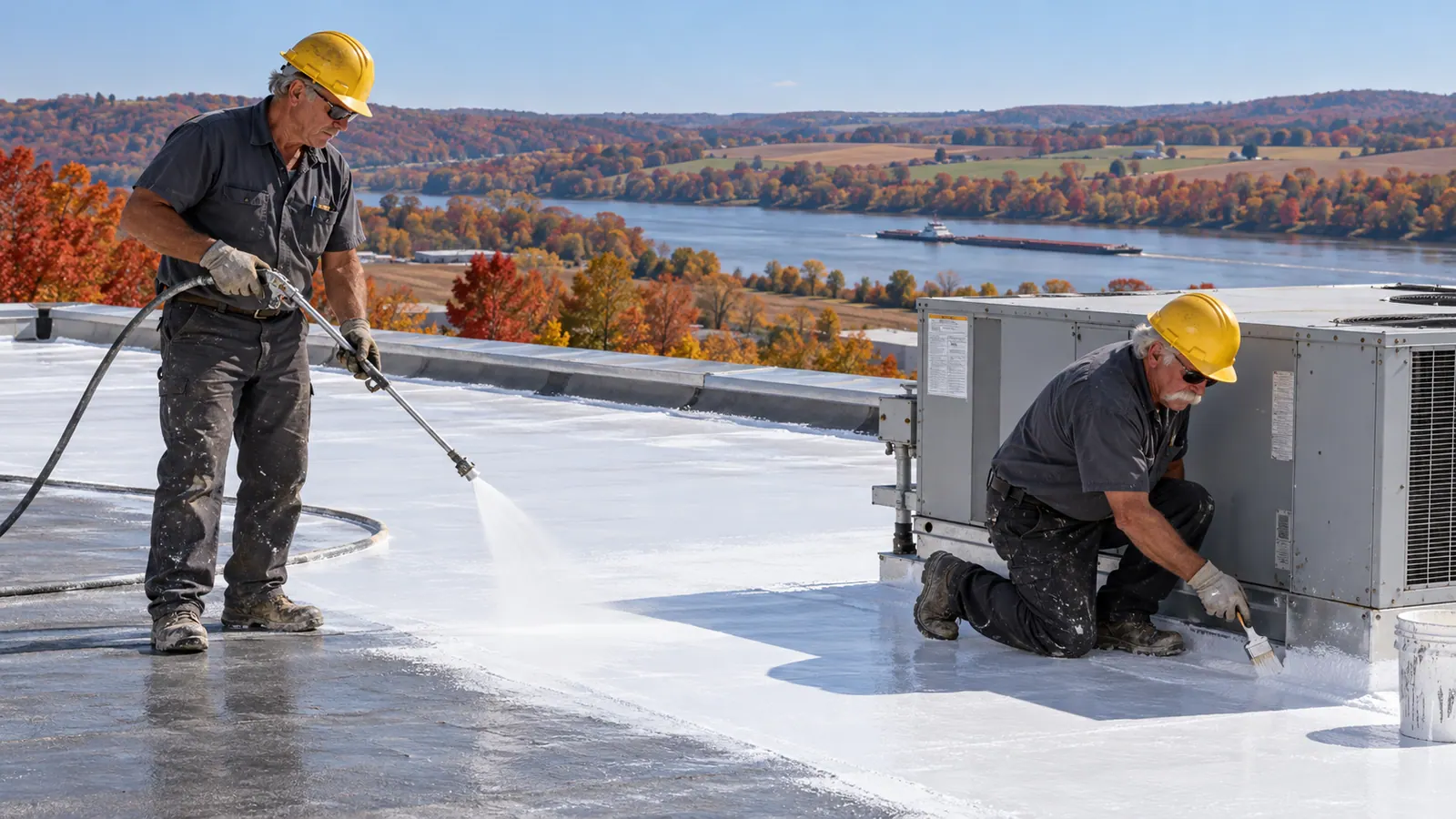
 Rear Roof
Ponding Near Rear Drains
Low rear sections hold water around drains that settle or clog. Silicone handles that water once the drains are cleared.
We do metal roof coating on older Providence commercial buildings section by section: silicone on low rear roofs, metal coating on pitched fronts, and fabric at every joint.
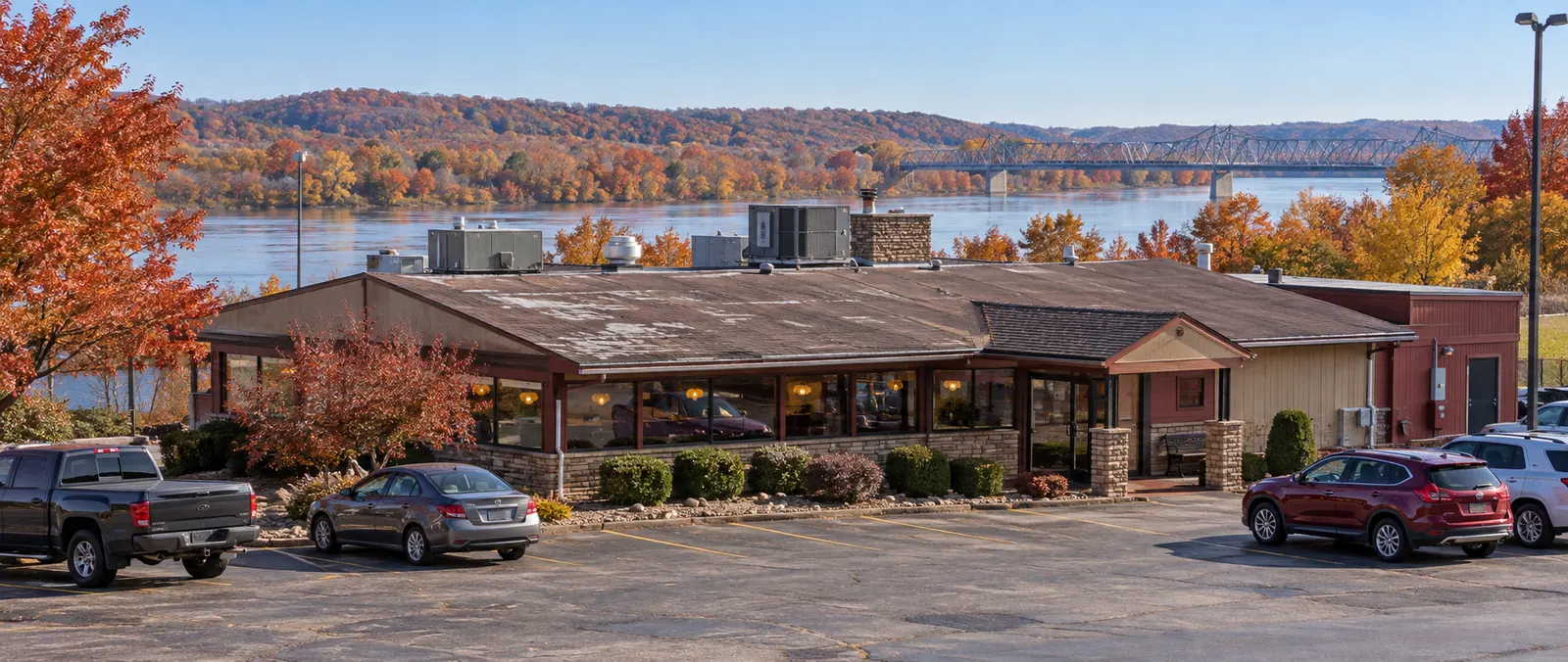
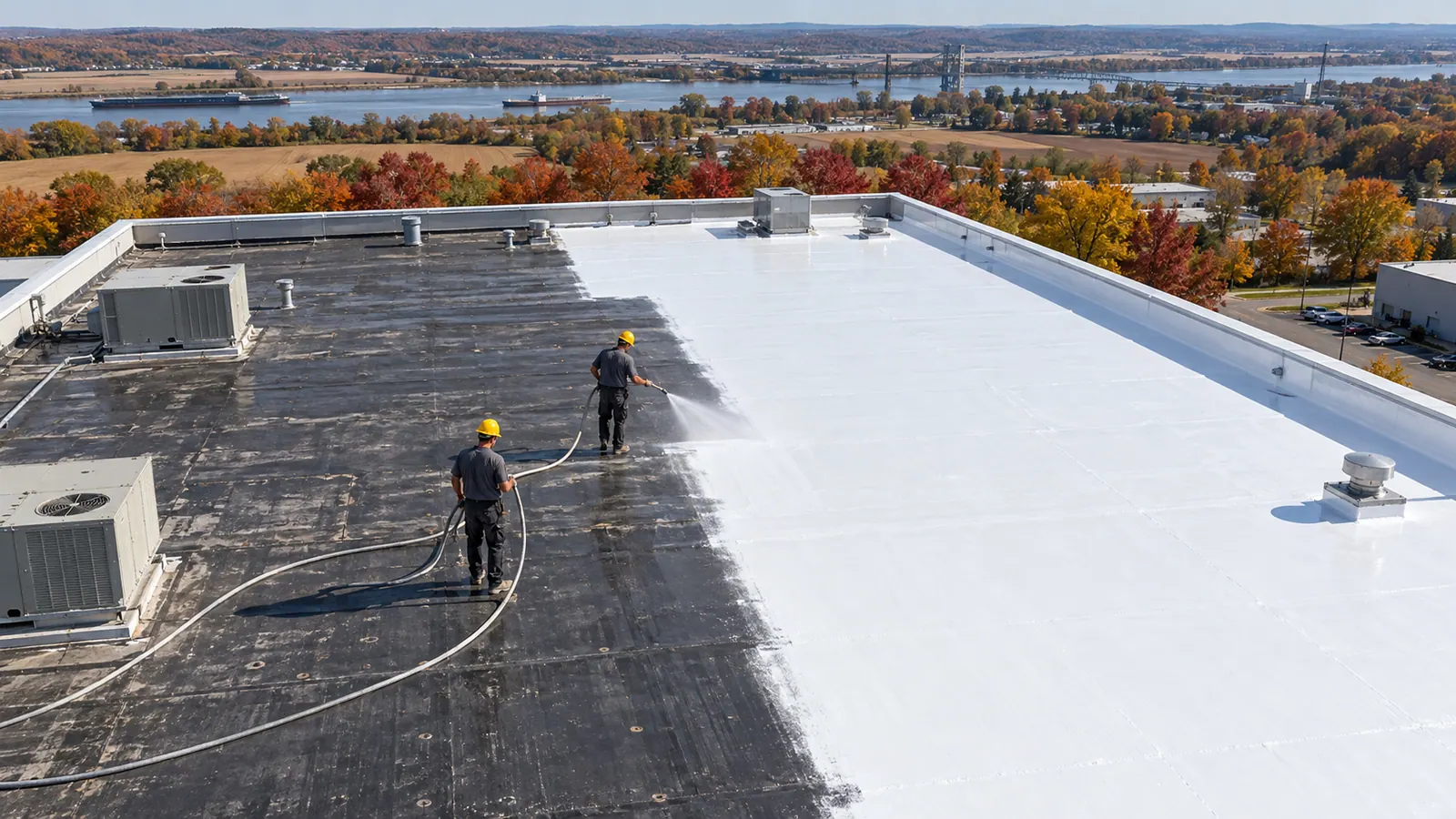
Older commercial buildings in downtown Providence often combine a low-slope rear section, a pitched metal front, and small add-on roofs built over the years. Each section drains differently, so each gets its own coating.
The transitions between sections are where these buildings leak first. Those seams get fabric and coating before any field coat, and the rear section’s drains get cleared so water stops sitting there.
Mixed-section buildings leak at a few repeat spots. These are the four we check first in Providence.
Rear RoofLow rear sections hold water around drains that settle or clog. Silicone handles that water once the drains are cleared.
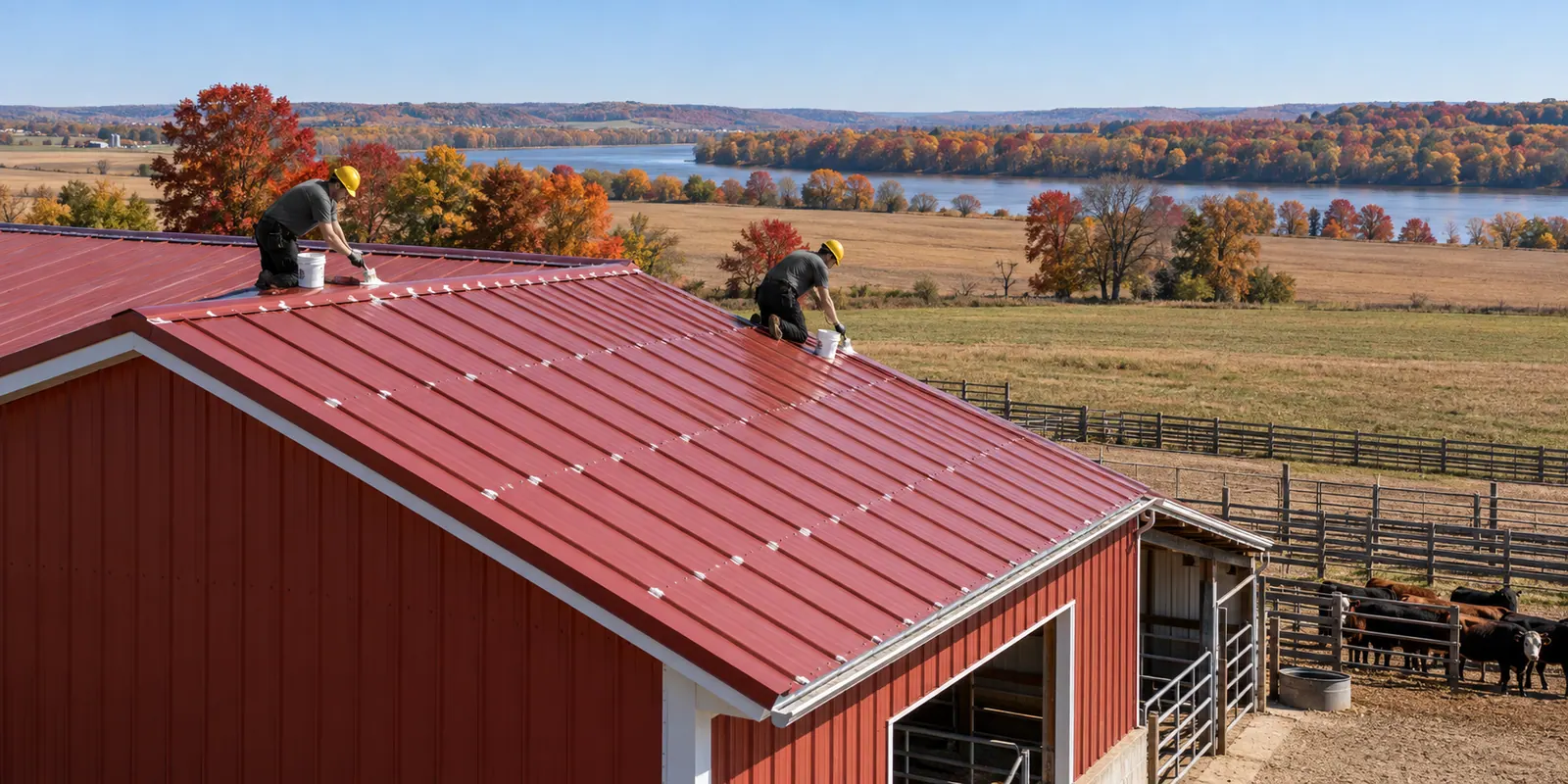 Transitions
The line where a pitched front meets a flat rear opens with movement. Fabric set in coating closes it before the field coats.
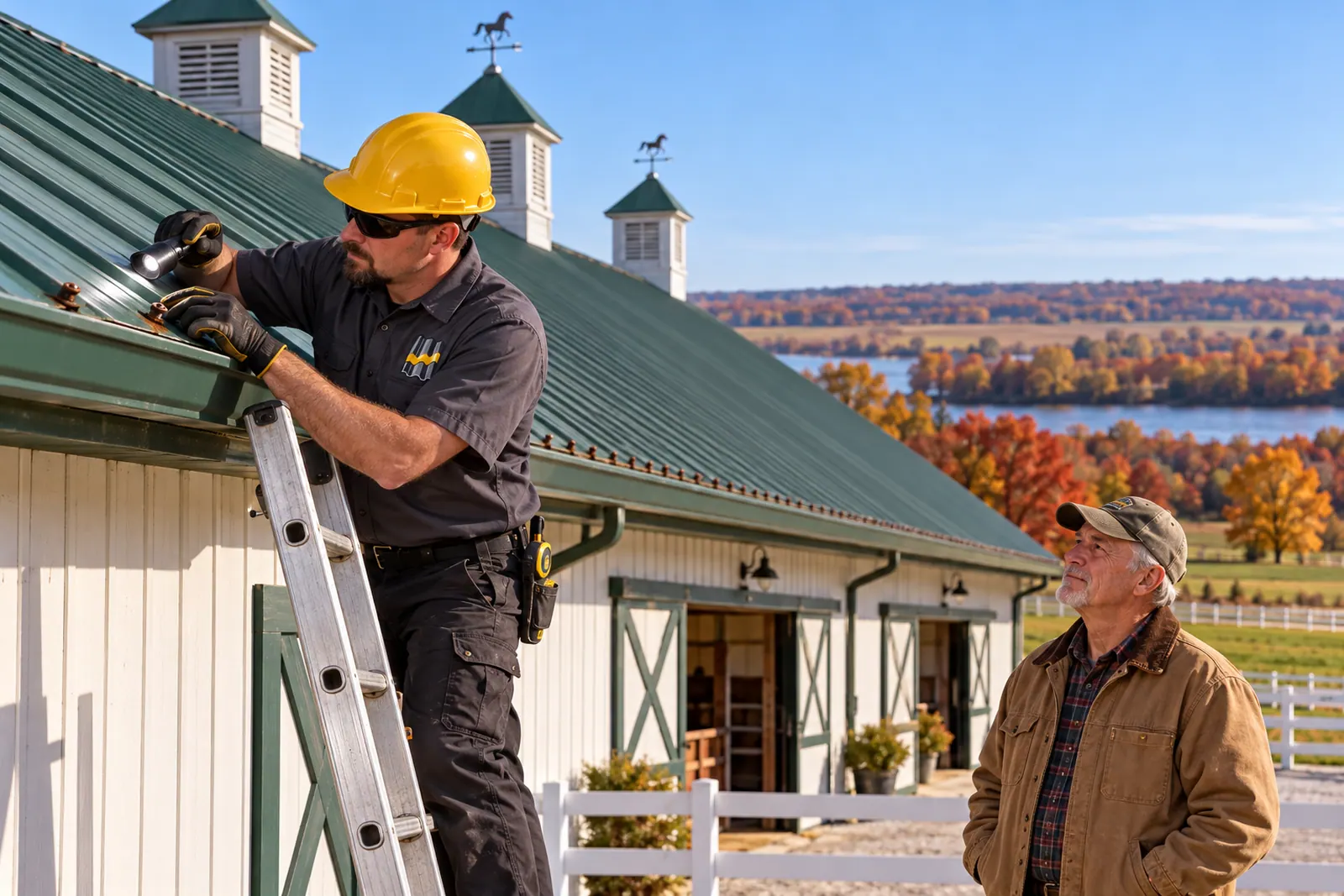 Front
Pitched metal fronts lose washers and back out screws along the eave and ridge. Those get replaced with larger screws.
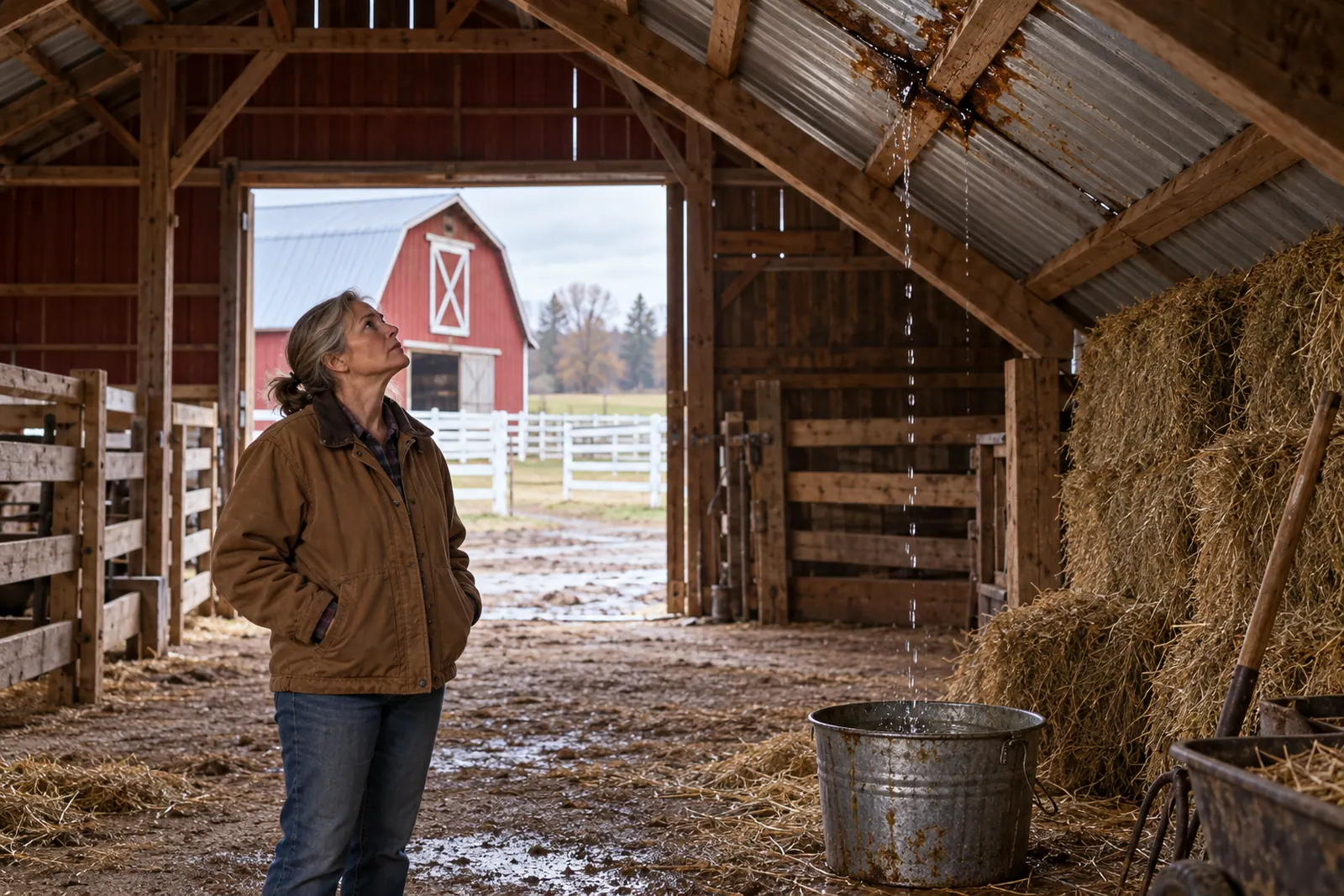 Inside
Storage and back rooms under the rear section show the first stains. We match them to drains and transitions on the roof above.
Coating a mixed-section building one section at a time keeps each part matched to the right product.

A single coating plan assigns silicone, acrylic, or shingle coating by roof area, so each section gets the product that matches how it drains. The transitions are detailed once, in the same visit.
Silicone on the low rear section keeps sealing under water that sits after rain, protecting the back rooms below.
Downtown shops keep their front doors open while crews work from the rear lot and the roof, and noisy washing is set for quieter hours.
Coating each section where the roof qualifies costs less than replacing three roof types at once.
These three coatings cover the sections on most older Providence buildings.
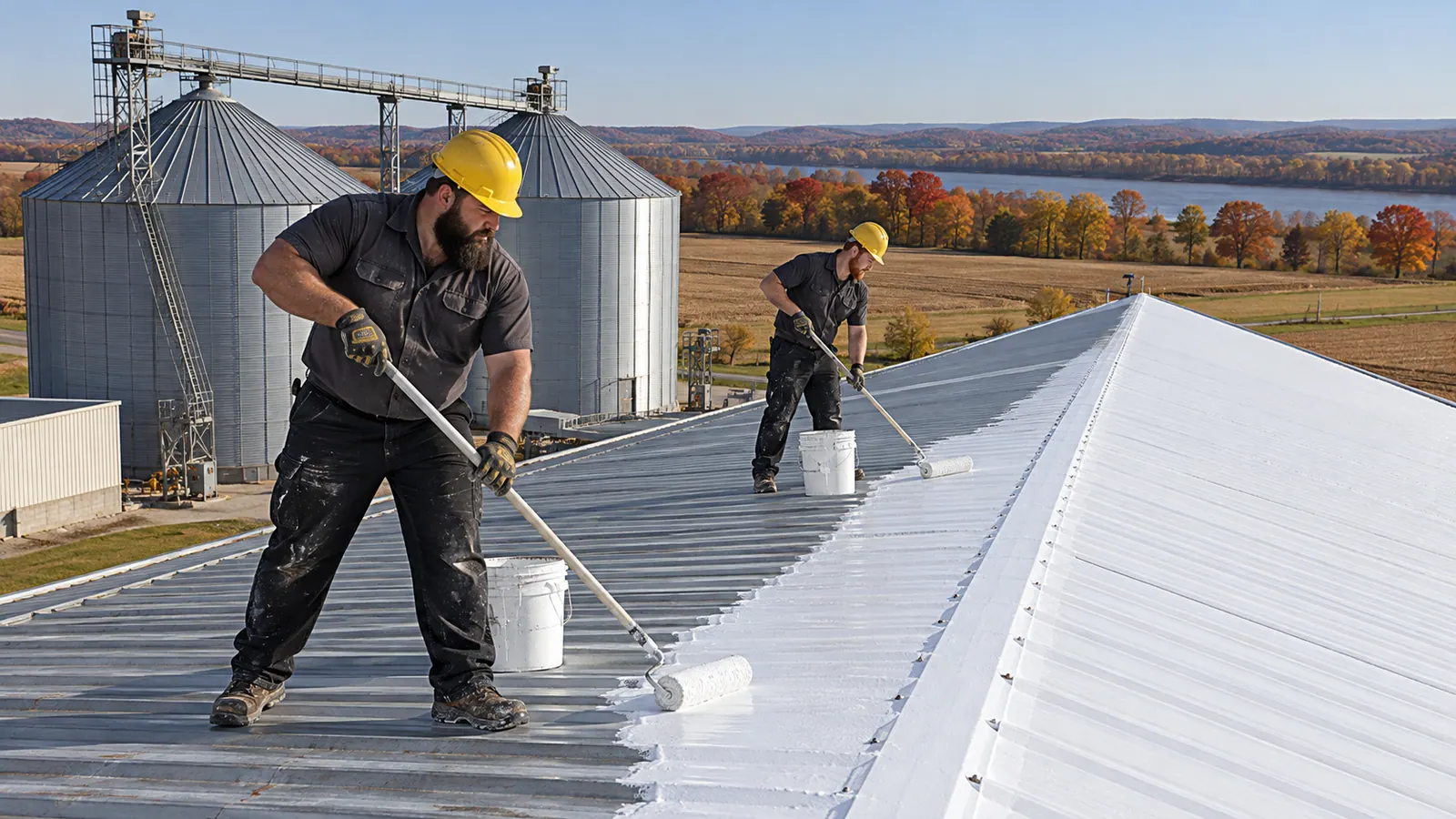
Low-slope rear roofs with ponding near drains take silicone after the drains are cleared.
Silicone roof coating details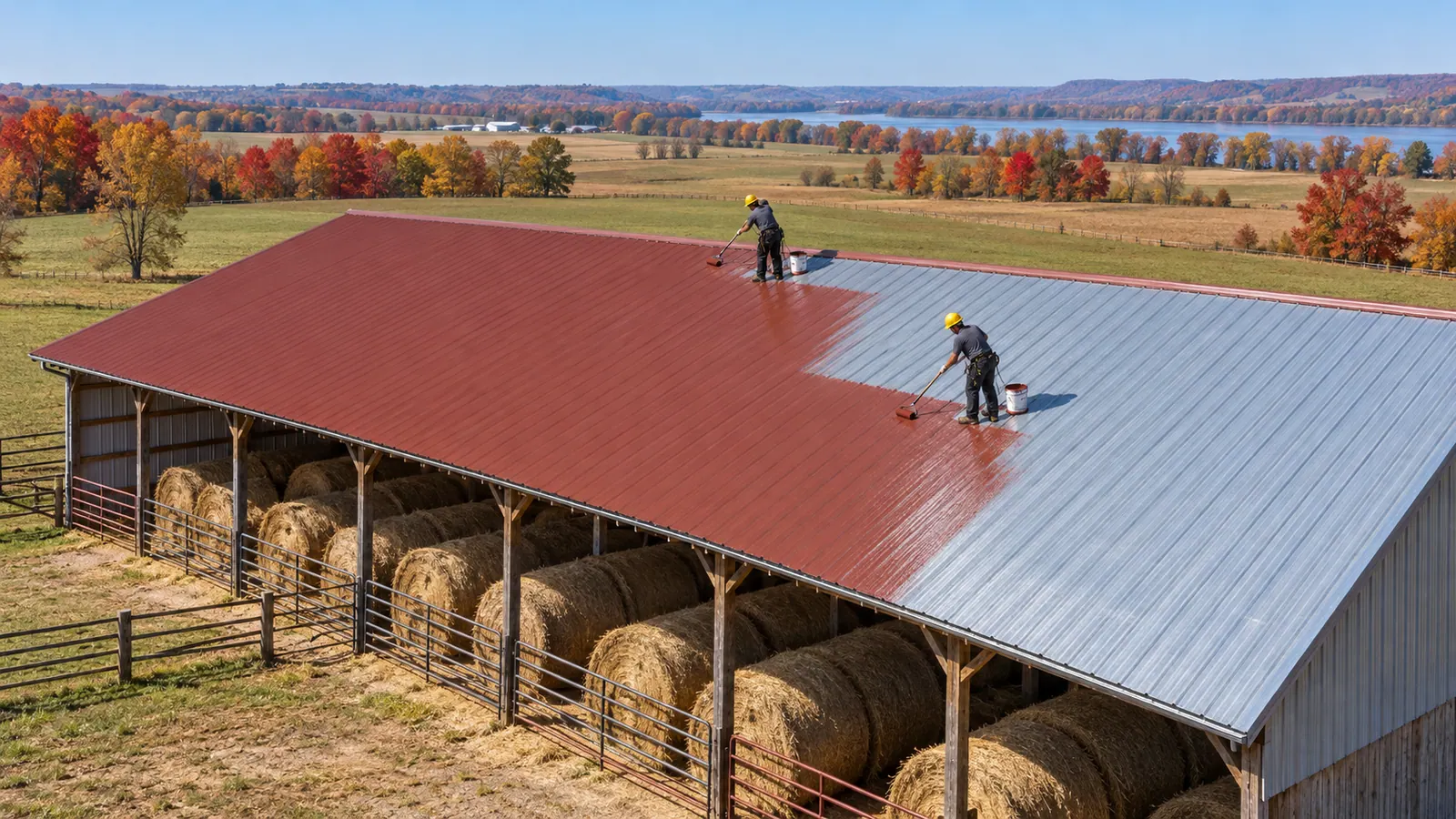
Pitched metal fronts get screws, laps, and rust fixed, then a full coat over primed panels.
Metal roof coating details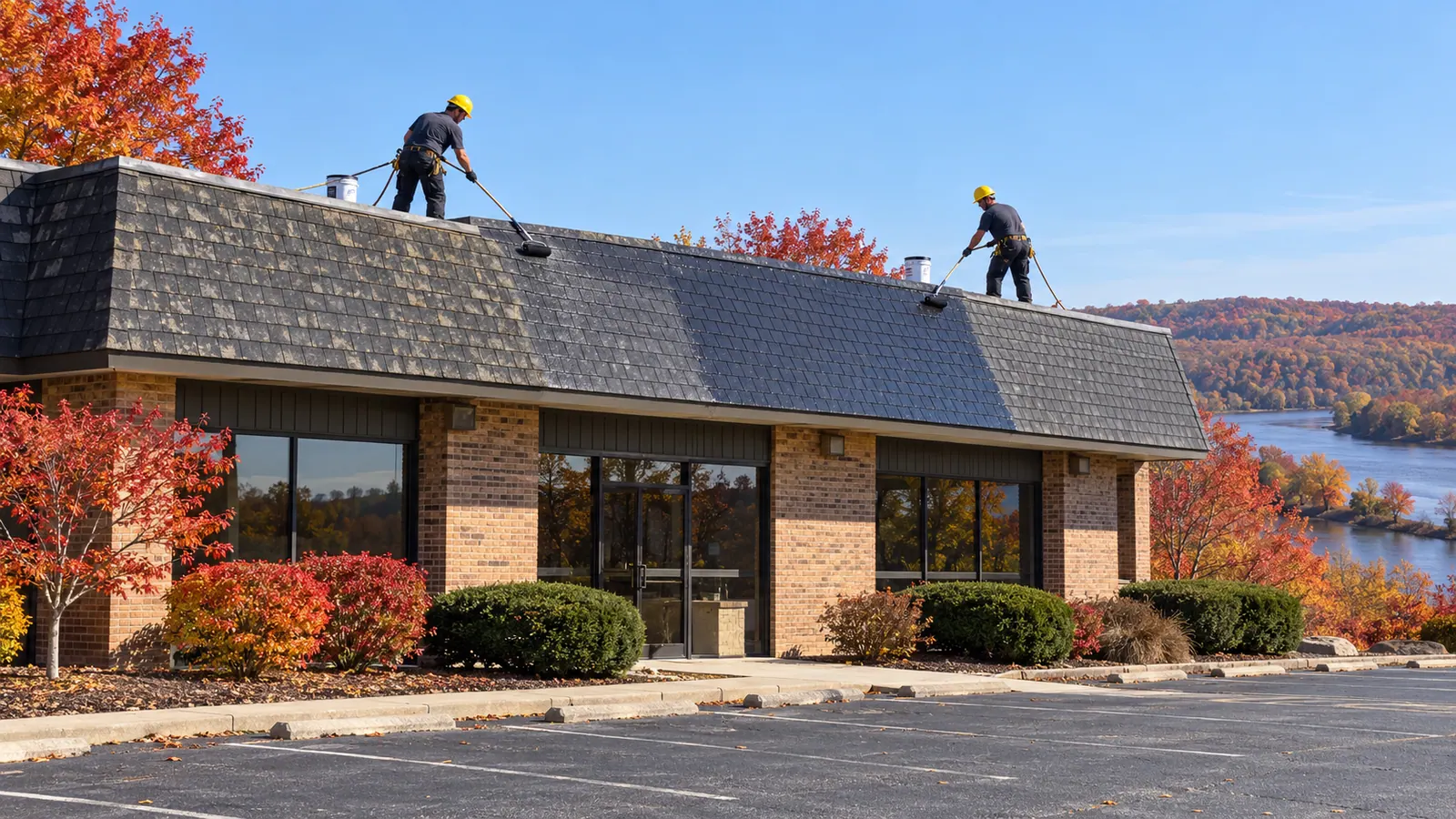
Small shingle add-ons with intact shingles take an approved coating if the maker allows it.
Shingle roof coating detailsPooling at the back of the building points to drains and transitions. Call us and tell us which rooms show stains.
Call UsSection-by-section work keeps each part of the roof matched to its coating. Here is the order.
We walk every section, mark ponding at the rear drains, check the front for loose screws and laps, and look at each add-on. Transitions between sections get the closest look.
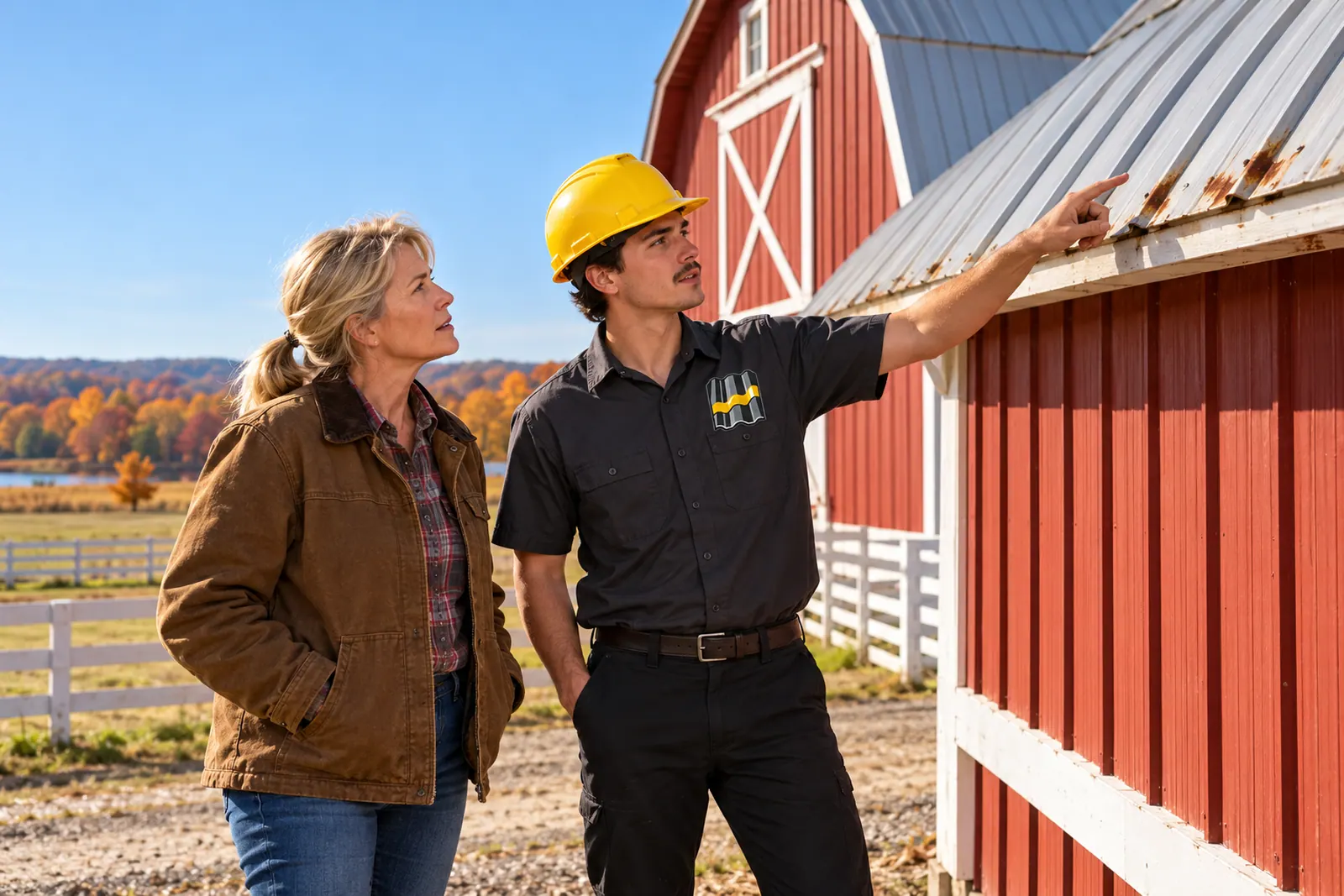
Rear drains are cleared, front screws are replaced, and add-on roofs get their own repairs. Wet insulation under the rear section is cut out first.
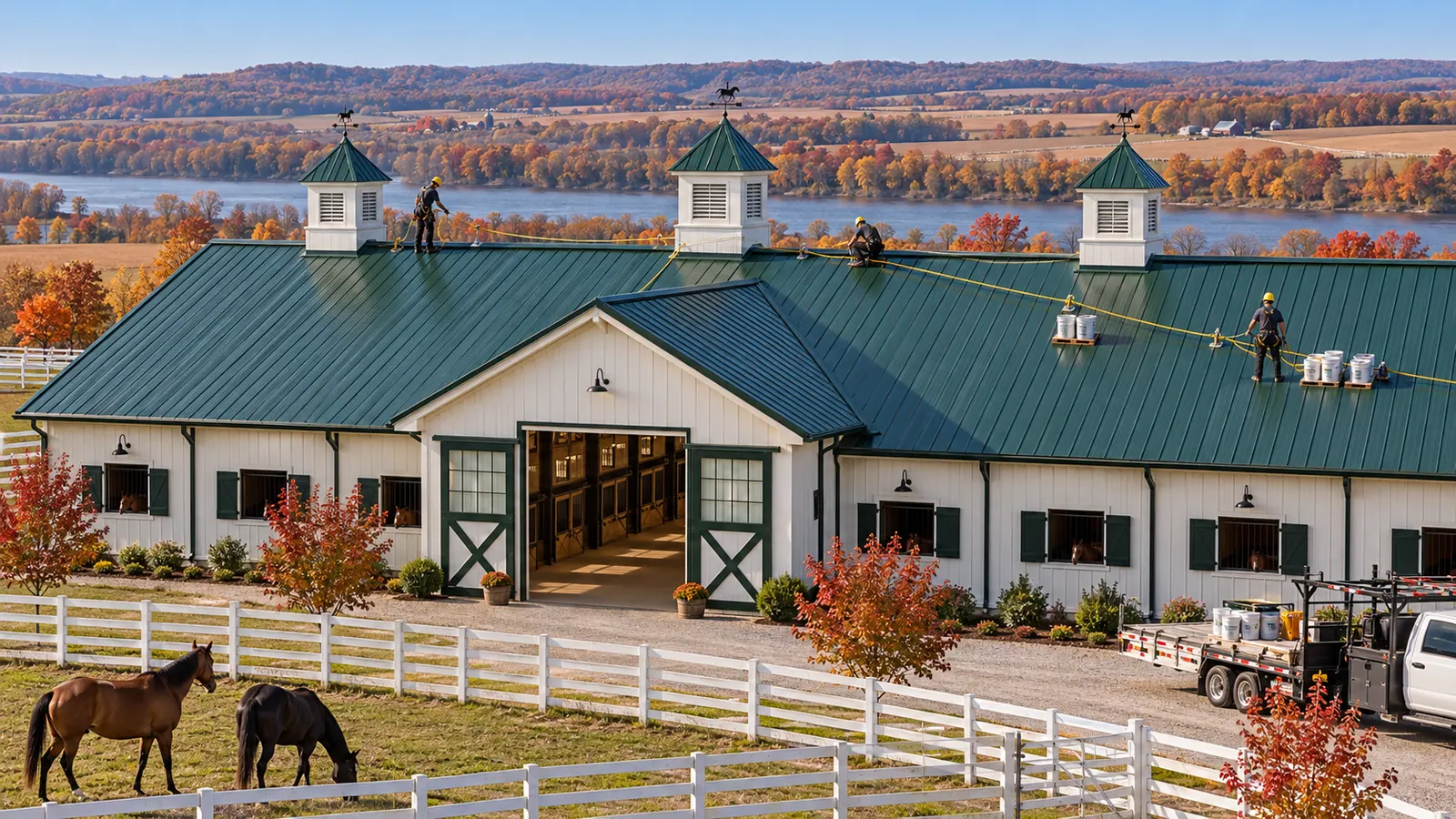
Fabric goes into coating at each line where one section meets another, before any field coat. These seams are where mixed roofs leak first.
Silicone goes on the low rear, metal coating on the pitched front, and approved shingle coating on intact add-ons. Thickness is checked section by section.
Past Providence, we coat commercial metal and low-slope roofs in Henderson and the four towns below.
Building outside these towns? Call us or send us a message about your property.
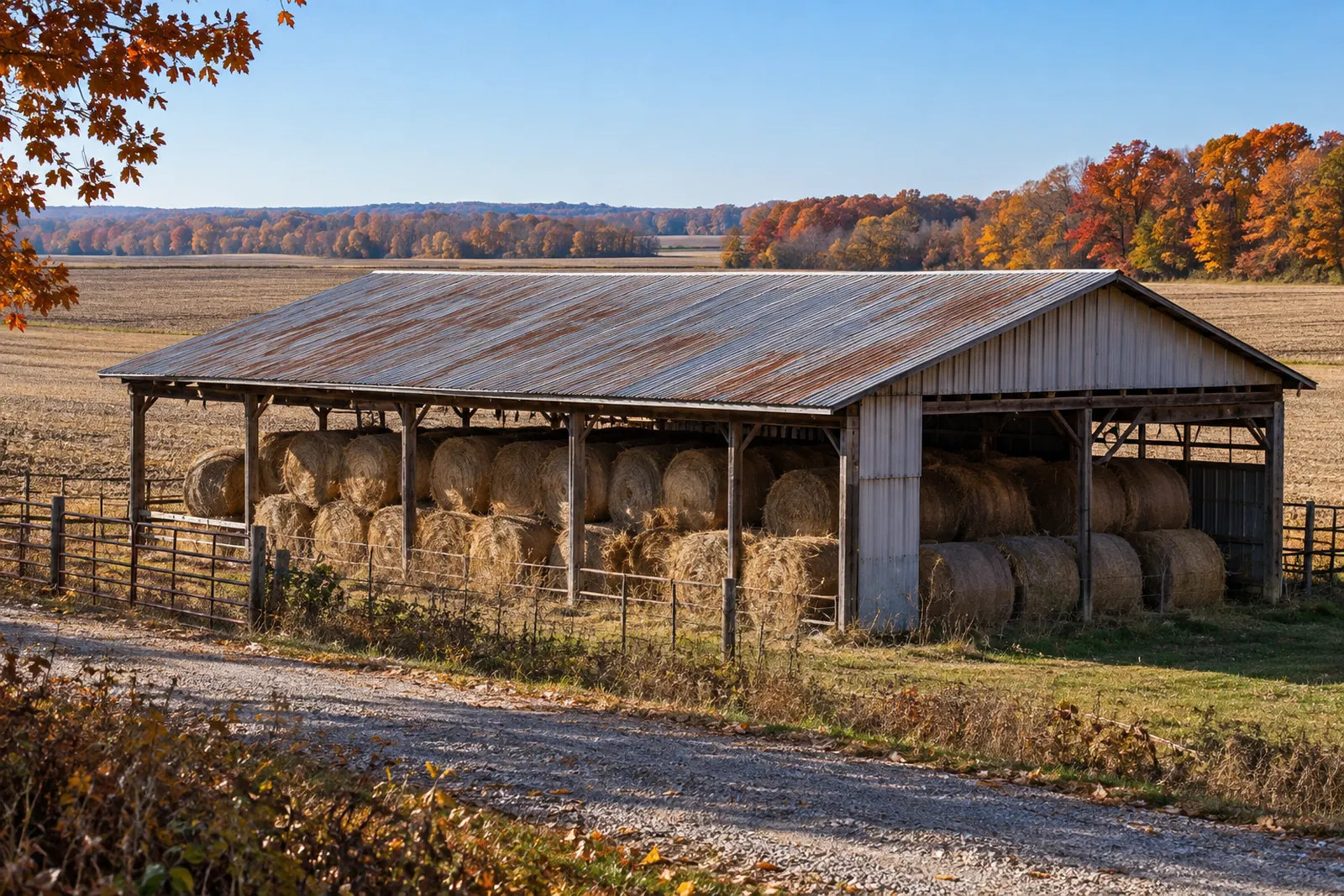
Hopkins County seat, with coating days judged on local dew.
Metal roof coating in Madisonville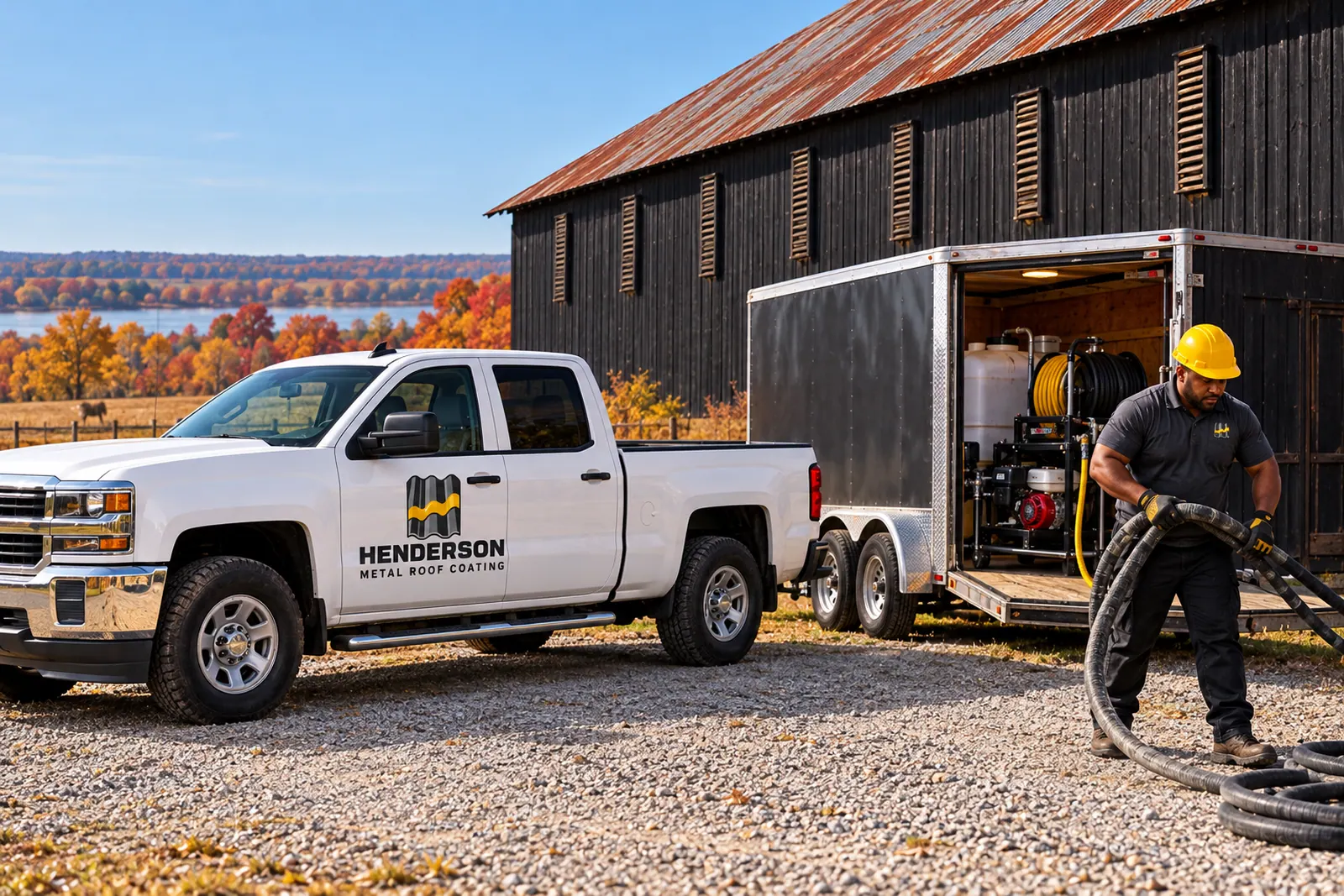
Farm buildings and machine sheds across Union County farmland.
Metal roof coating in Morganfield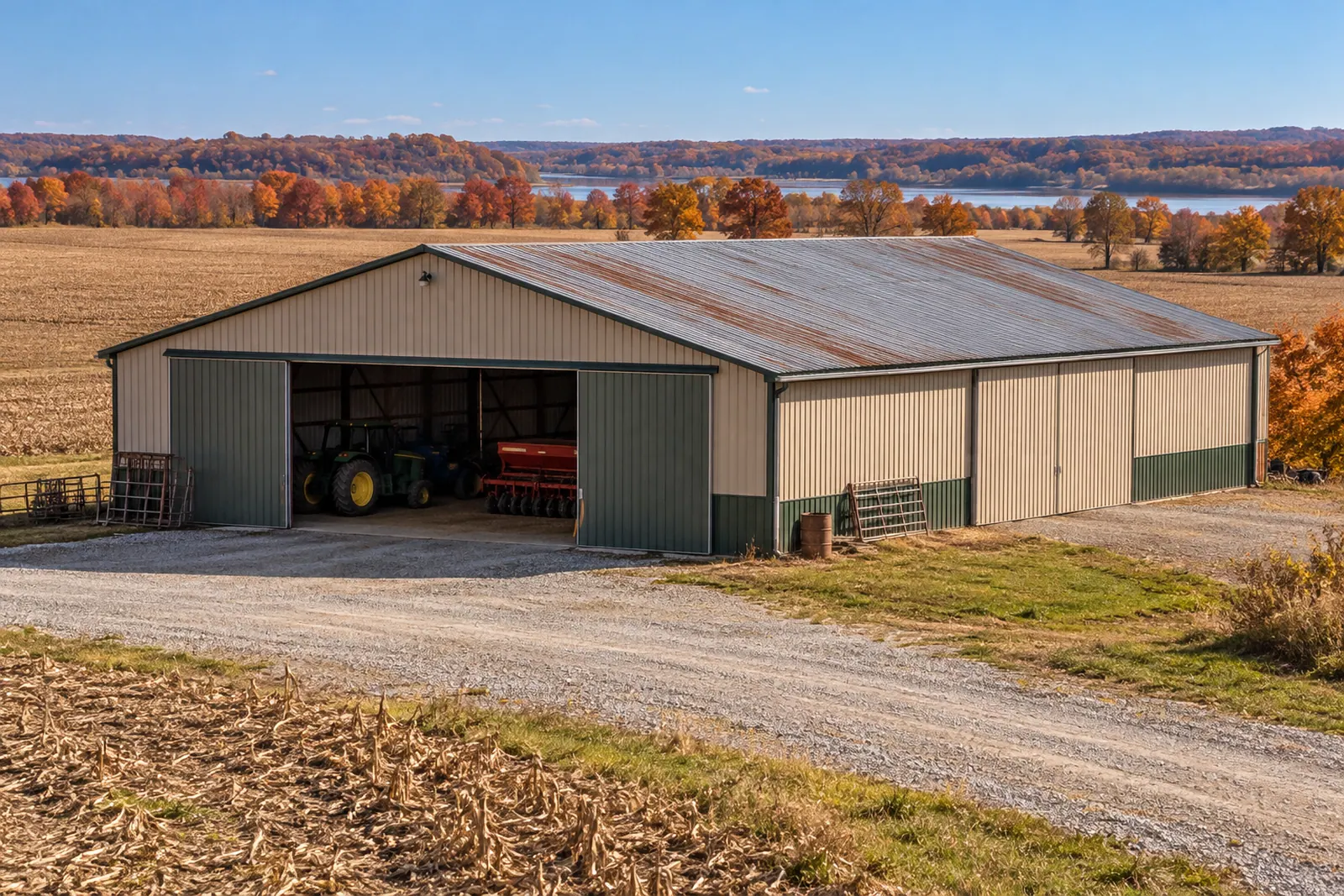
Answers on inspections and mixed roof sections for Providence building owners.
The state building inspector, because the Webster County contact sheet lists no local one. Dixon is the Webster County seat, so county-level electrical questions go to officials there. Start with Providence city hall for local requirements, and raise structural or re-panel scope with the state inspector.
Yes. Coating with no structural change is the simplest scope to clear. Adding new panels to the front, rebuilding a rear deck, or rewiring rooftop units are the items that bring the state inspector into the job.
With one coating plan that assigns a product by roof area. A low-slope rear with ponding near drains takes silicone, a pitched metal front with loose screws takes acrylic or silicone, and a small shingle addition takes shingle coating if approved. Transitions get fabric and coating first.
They can, with care at the line. Silicone and acrylic each recoat best with themselves, so the boundary goes at a natural break like a transition or roof edge, and each section is recoated with its own product later.
Access is set with the owner before work starts. Ladders or a lift go where they block the least foot traffic, sometimes in a shared lot or alley. Pails and tools stay on the roof or at a marked staging spot.
Mostly. Work happens on top of the roof, and interior rooms stay usable except when wet insulation is replaced from above. We tell you which days the rear section is opened so stored items can be covered.
Share the roof size and the sections it has for a ballpark range, or call us to walk them with you.
Leave a name and number and we will call about your roof.
Or call now: (270) 236-5481