 Ponding
Water Left After Rain
A ring of dirt marks where water sat for two days or more. Acrylic weakens under that standing water, while silicone keeps sealing through it.
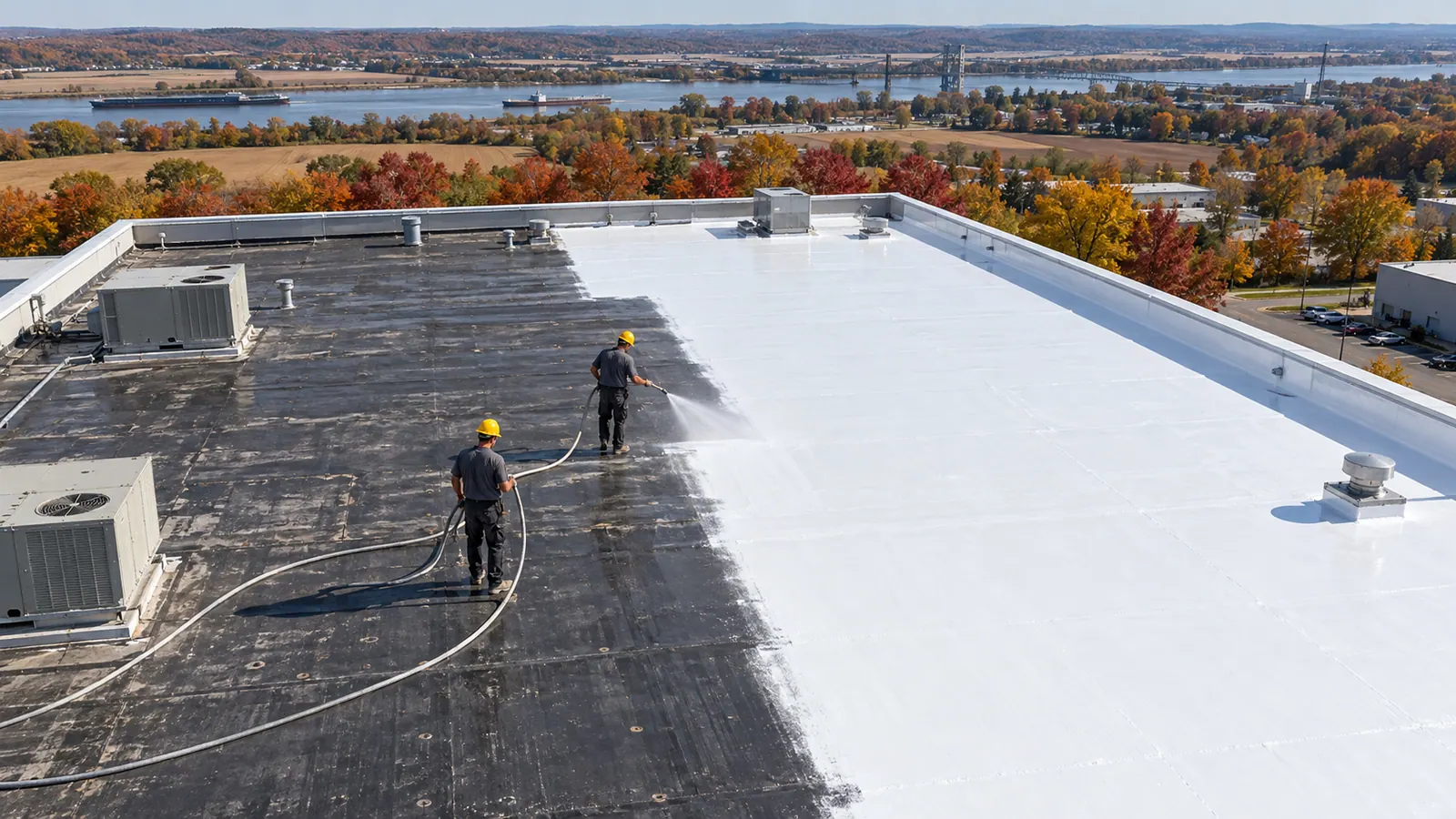
We coat low-slope commercial roofs and flat metal sections in Henderson with silicone, which holds up where rainwater sits on the roof for a day or two.
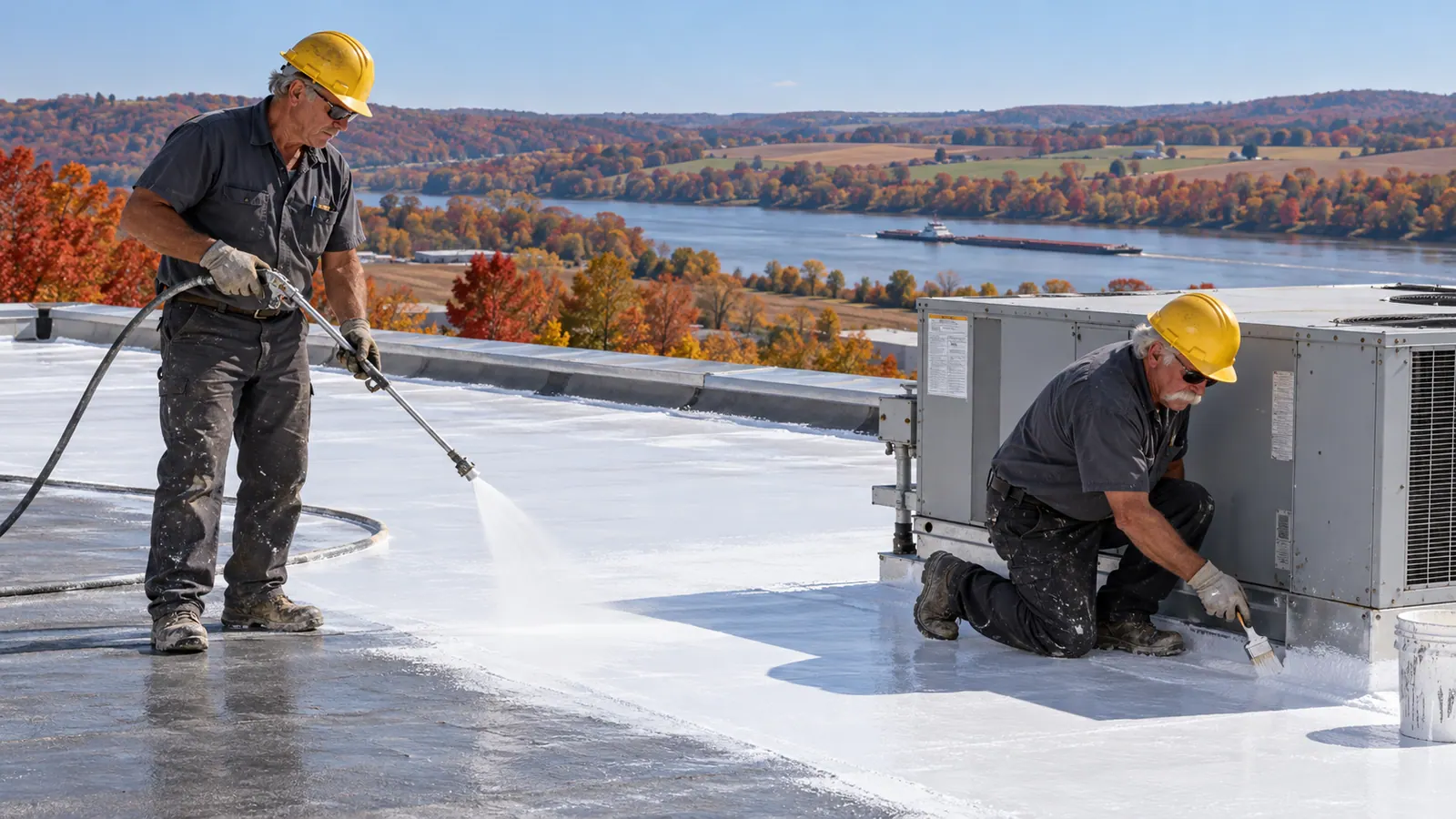
Silicone is the coating we pick when water lingers. The right column lists what has to change before it goes on.
These conditions show up where water sits longest on a commercial roof. Each one points us toward silicone for that section.
PondingA ring of dirt marks where water sat for two days or more. Acrylic weakens under that standing water, while silicone keeps sealing through it.
 Gutters
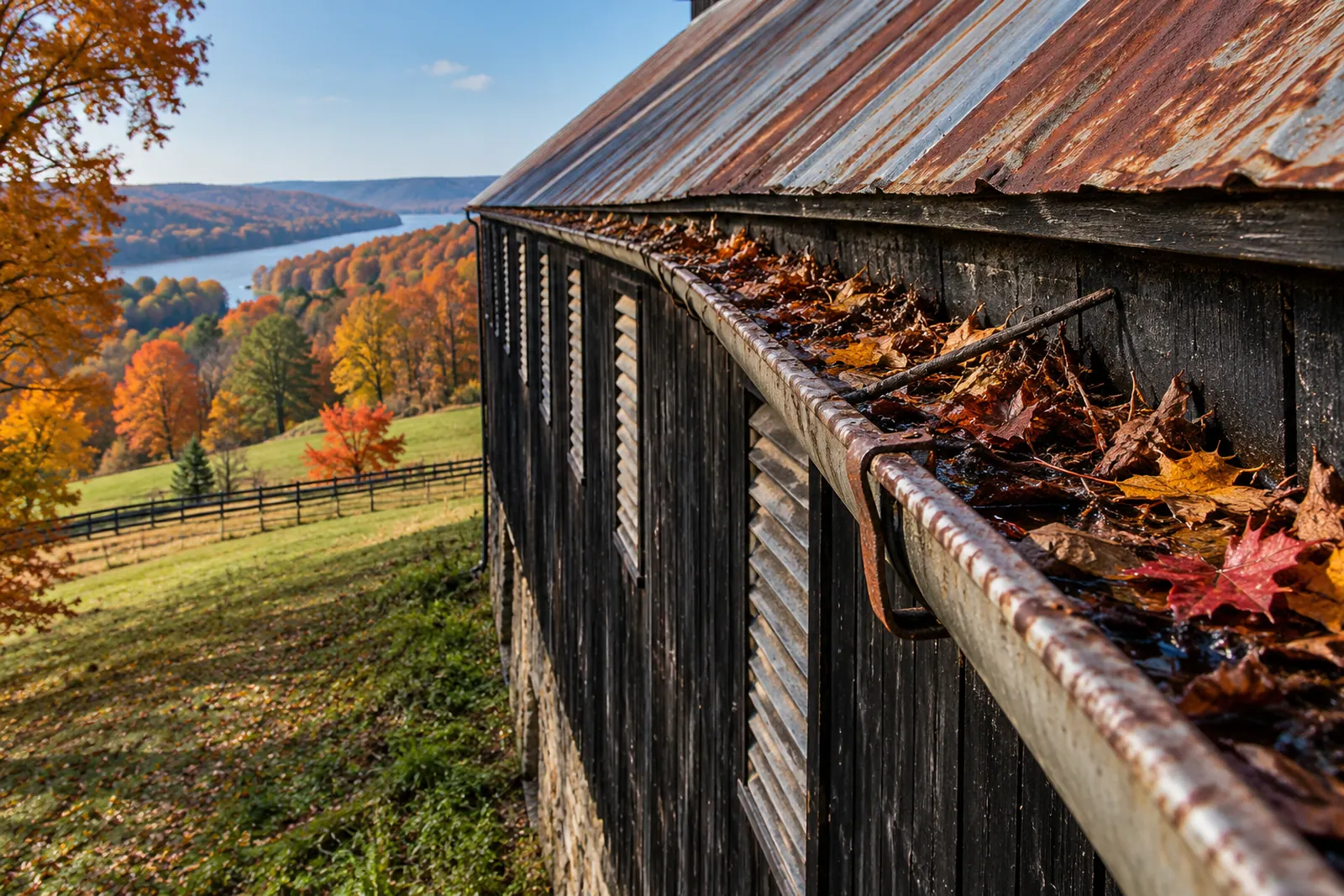
Leaves packed at a gutter outlet send water back over the eave edge. We clear outlets and seal gutter seams before the base coat.
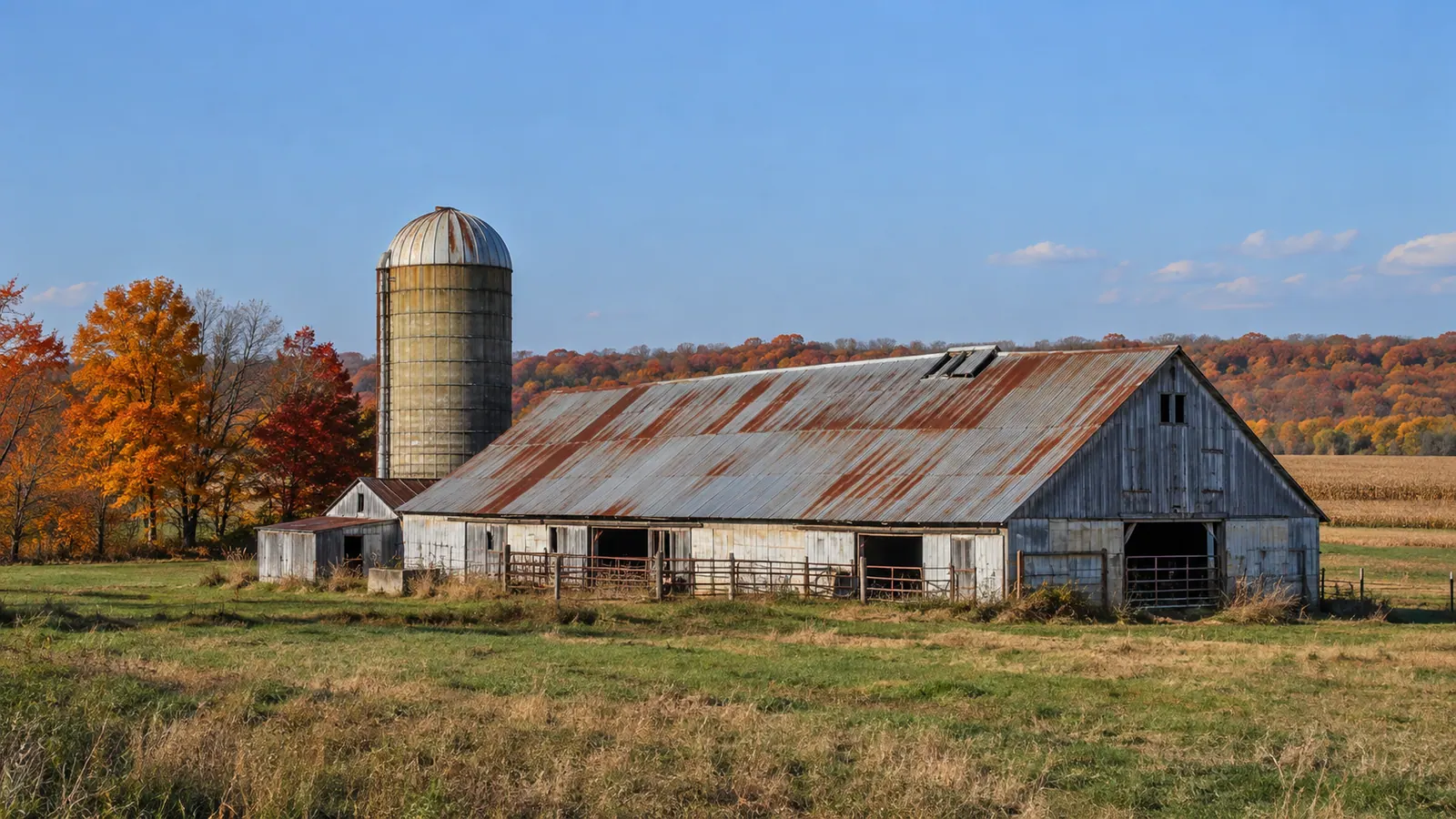 Eaves
The bottom few feet of a long panel run stay wet longest, so rust and white rust gather there first and need primer before silicone.
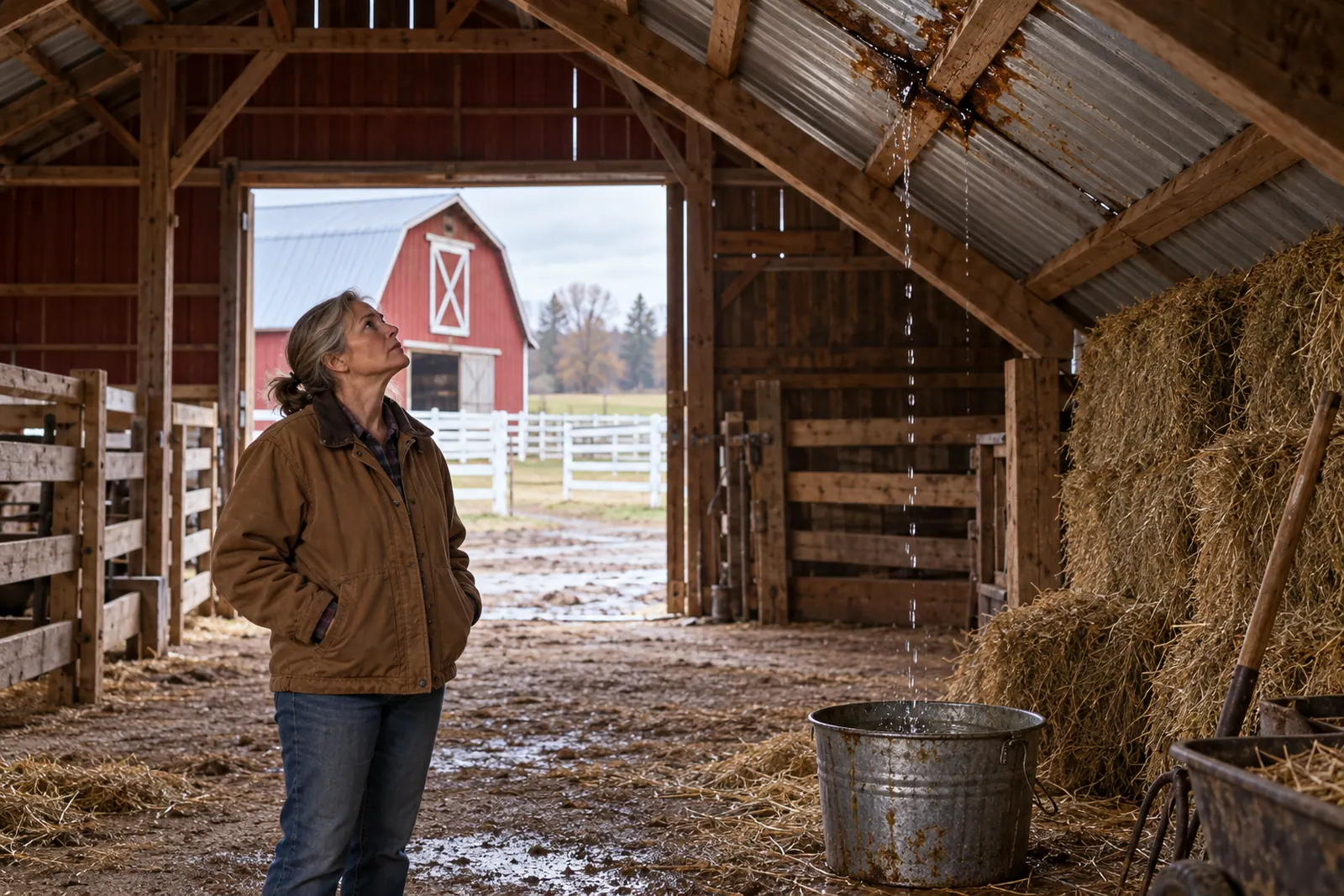 Inside
Water reaching the wall line often comes from a lower roof meeting a taller wall. That joint gets fabric and coating before the field coat.
Silicone rarely covers a whole metal building alone. This table shows how it pairs with the other systems we coat.
| Roof Area | Coating We Use | Why It Fits | Recoat Path |
|---|---|---|---|
| Low-slope warehouse roof | Silicone | Handles ponding and sunlight | More silicone |
| Flat eave section on a pitched roof | Silicone at the eave, acrylic above | Low end stays wet longest | Each with its own product |
| Lower roof against a taller wall | Silicone with fabric at the wall | Water collects at the joint | More silicone |
| Under-insulated low-slope roof | Spray foam with a silicone topcoat | Adds insulation and sheds water | Silicone topcoat renewal |
Silicone earns its place on the wettest parts of a roof. These are the gains that matter most on low-slope sections.
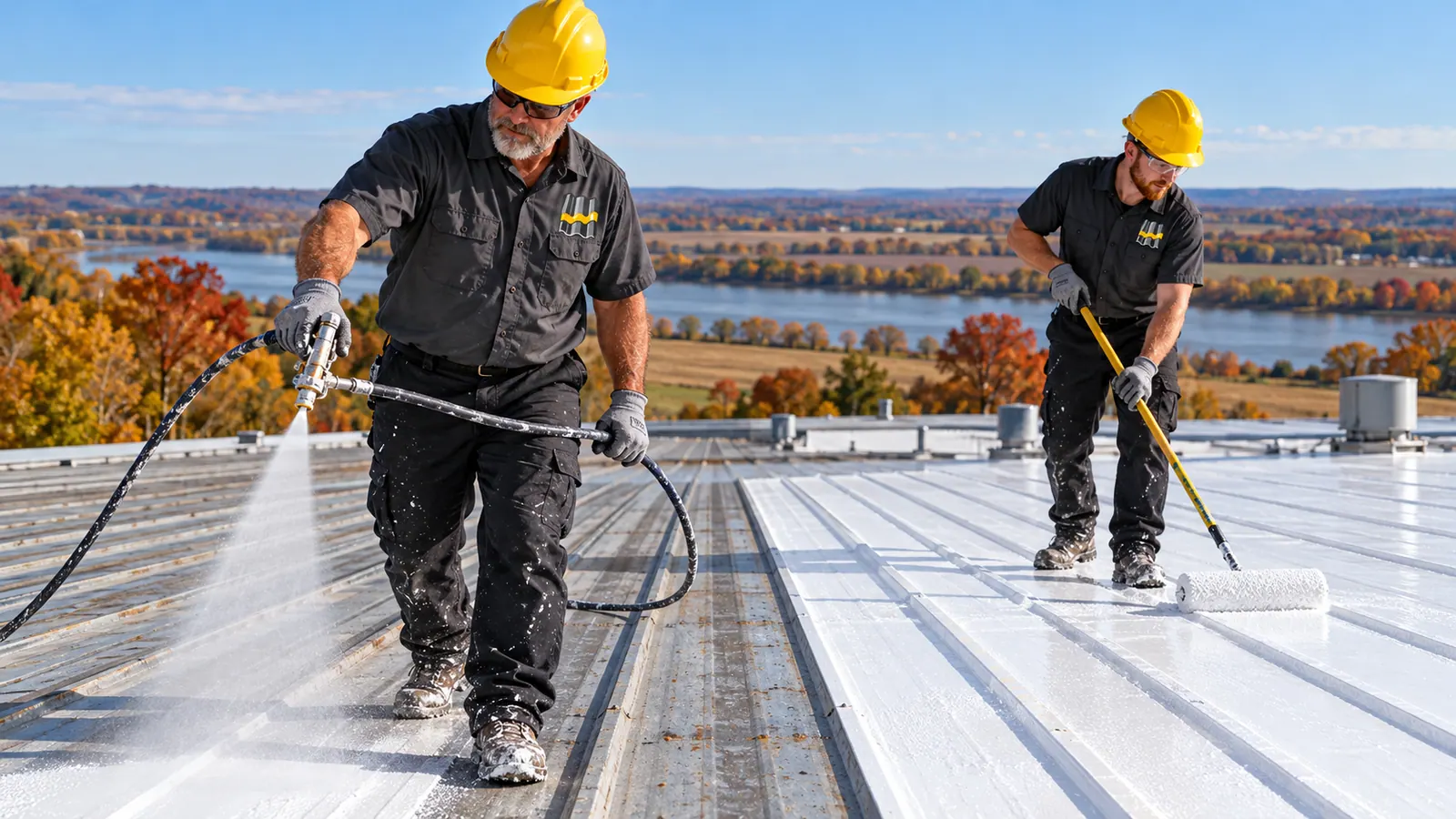
Silicone resists breakdown from ponding and sunlight, which matters at the low ends of long panels near gutters. Sections that hold water after every storm stay sealed between cleanings.
Silicone tolerates moisture sooner after application than acrylic, which helps on humid Ohio Valley mornings when dew lingers on the panels.
Low-slope sections over offices and shops stay in use while crews work above, with fresh-air intakes planned around the spray zone.
Later recoats go on with more silicone after a wash, since few other products stick well to cured silicone.
Standing water on a low section wears coatings and hides rust. Call us and describe where it collects and how long it stays.
Call UsSilicone needs a clean, primed surface to stick. These four stages get a low-slope section there.
We mark every spot where water collects, probe for wet insulation below it, and check drains, gutter outlets, curbs, and the wall line. Wet insulation gets cut out and replaced before silicone goes over it.
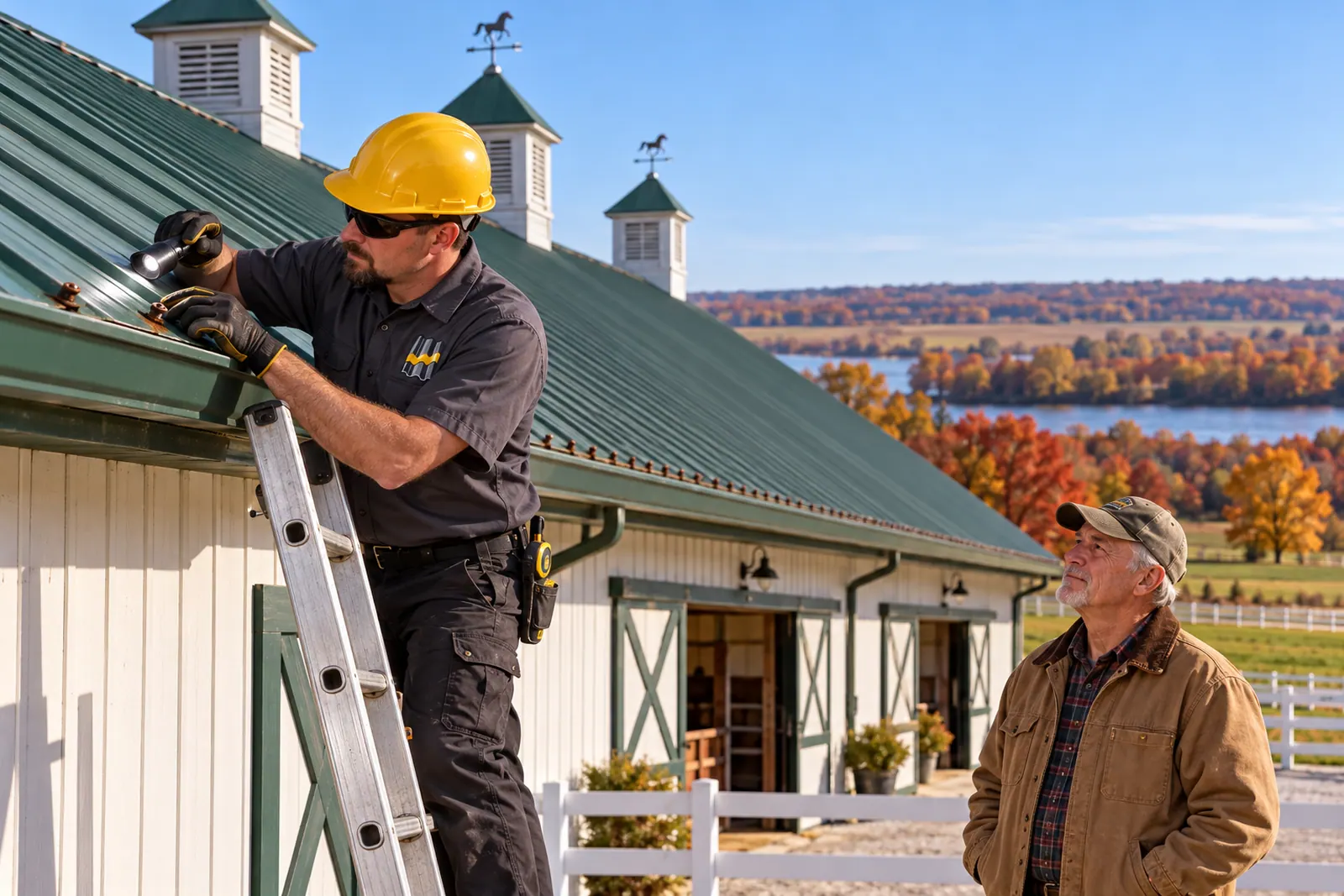
Silicone grips only a clean surface, so the pressure wash runs longer on low sections where dirt settles. Clogged outlets and gutter seams get cleared and sealed during the same visit.
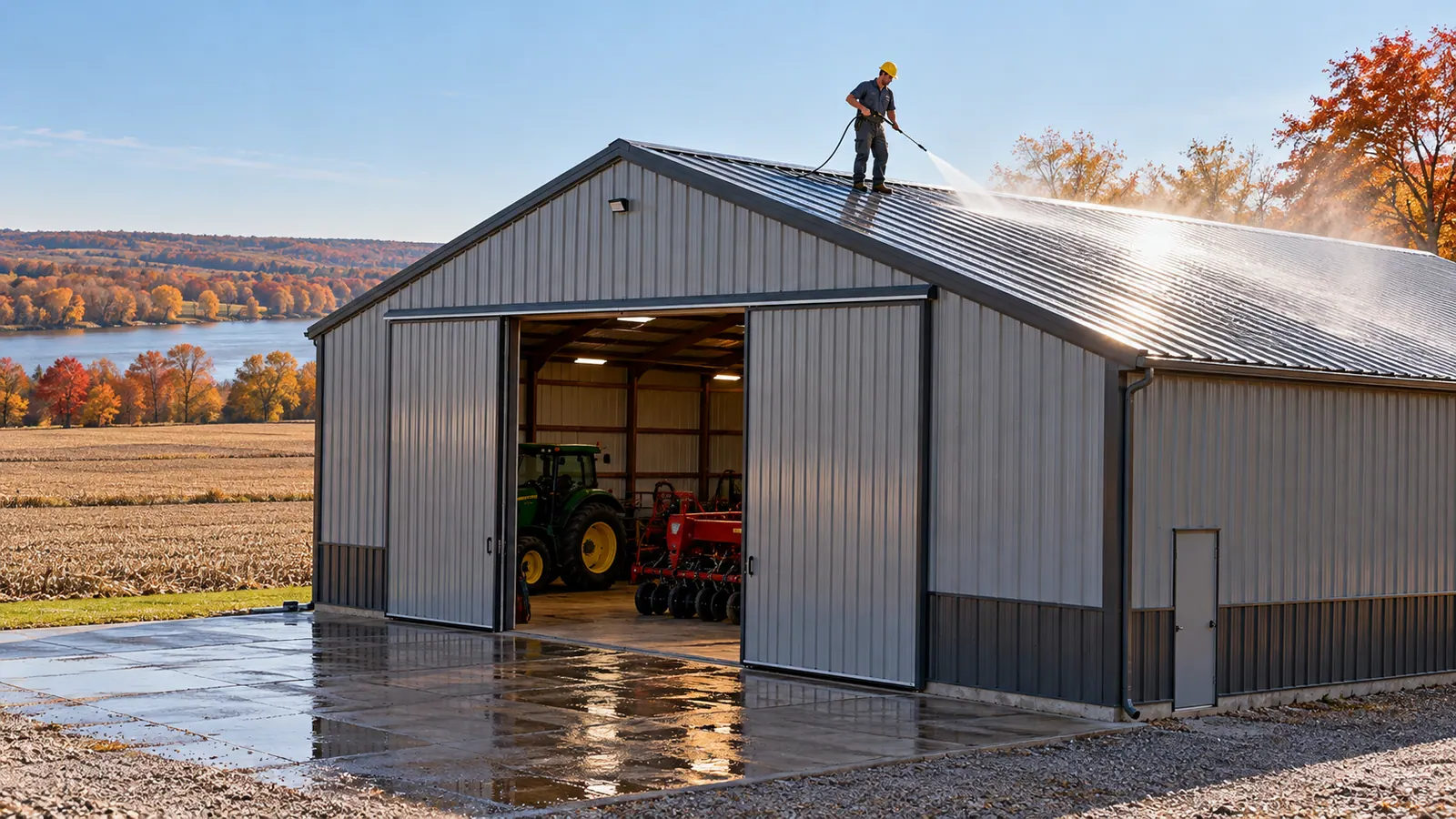
Primer goes on rust and galvanized metal, matched to the surface with a test patch. Curbs, pipe boots, and the joint at the taller wall get fabric set in silicone.
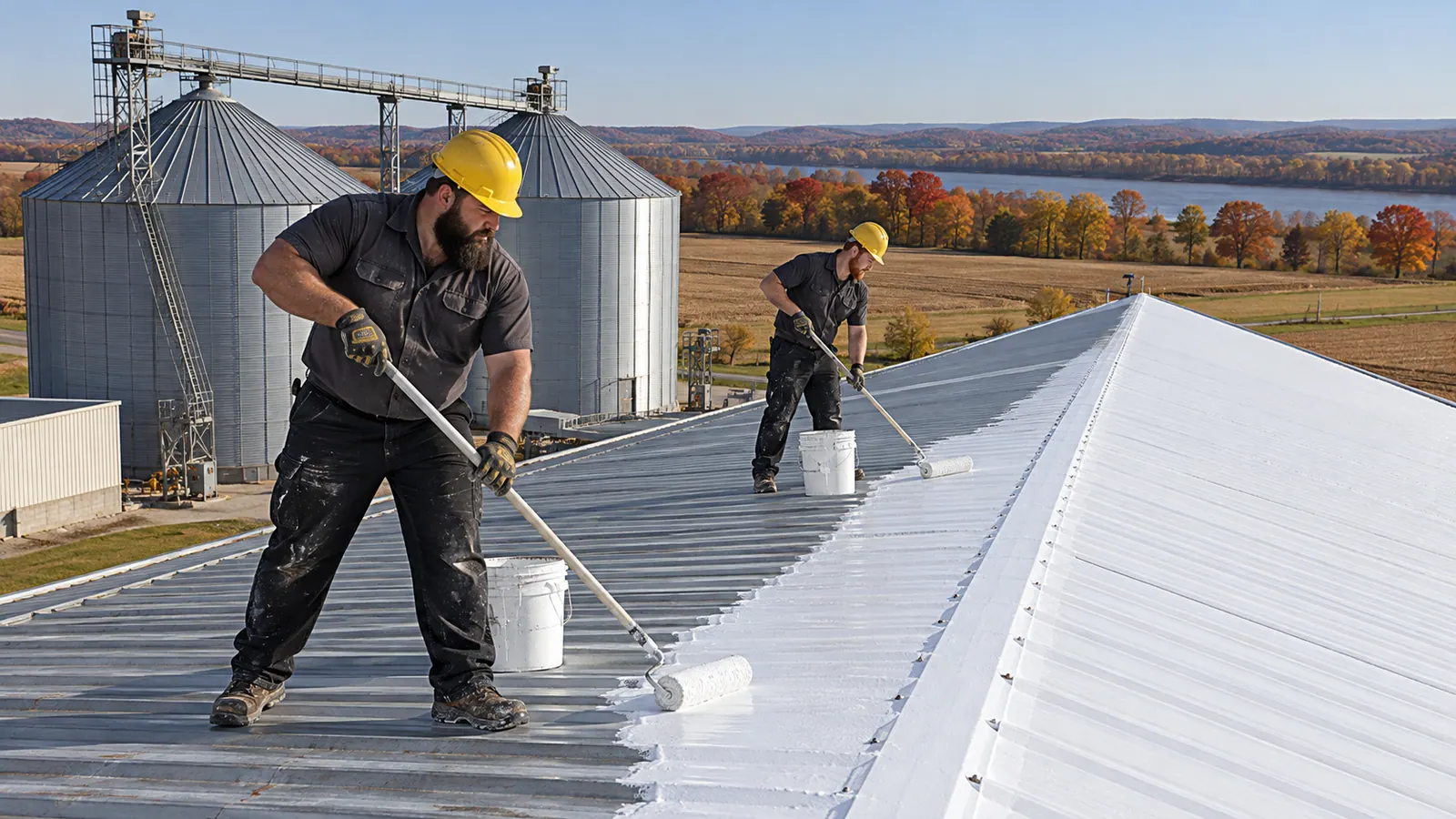
Coats go on in one or two passes at the thickness on the product sheet, heavier where water sits. We measure the film and touch up thin areas before we pack up.
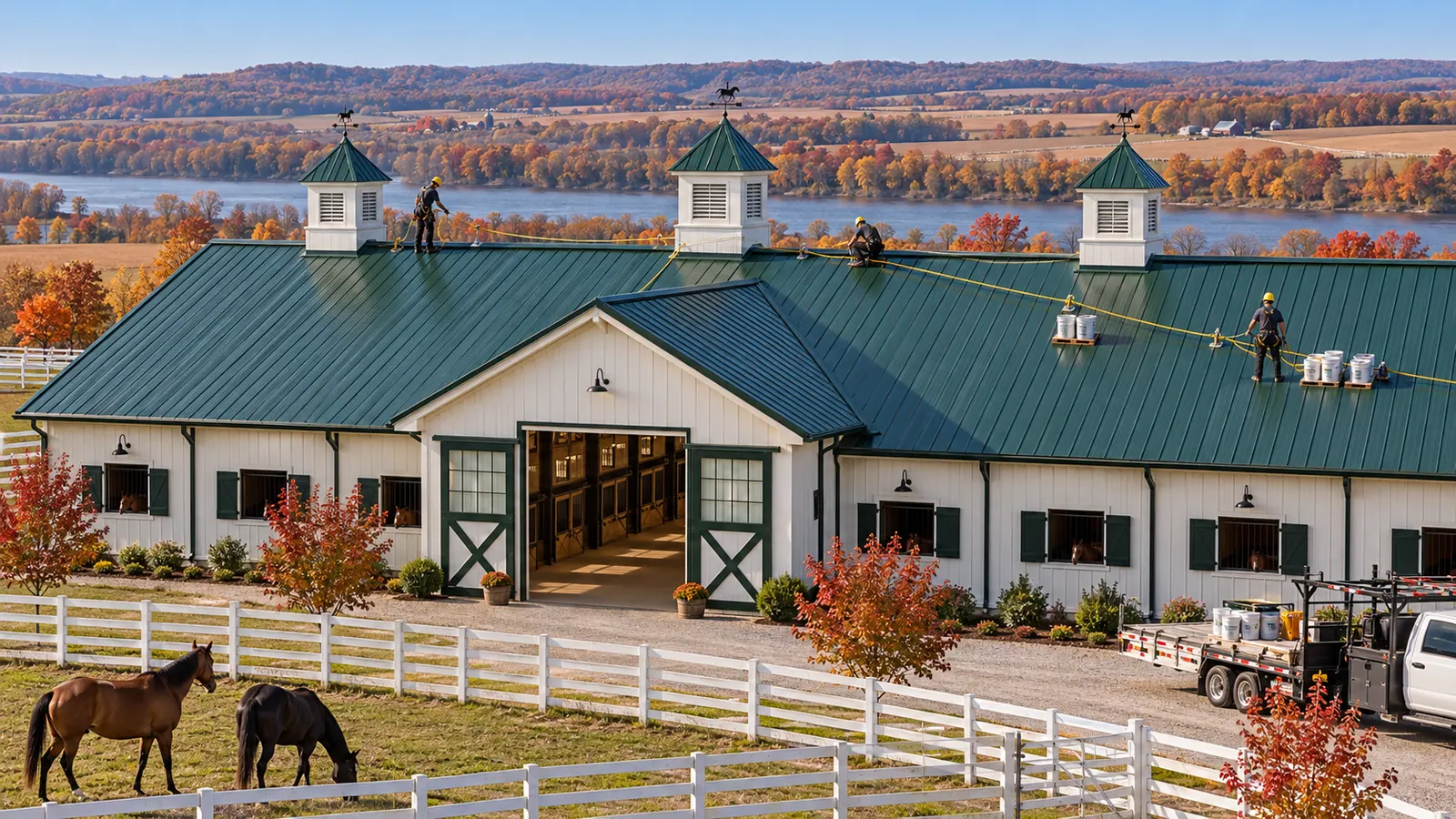
Many Henderson buildings mix low and pitched sections, so silicone often shares a roof with another system.
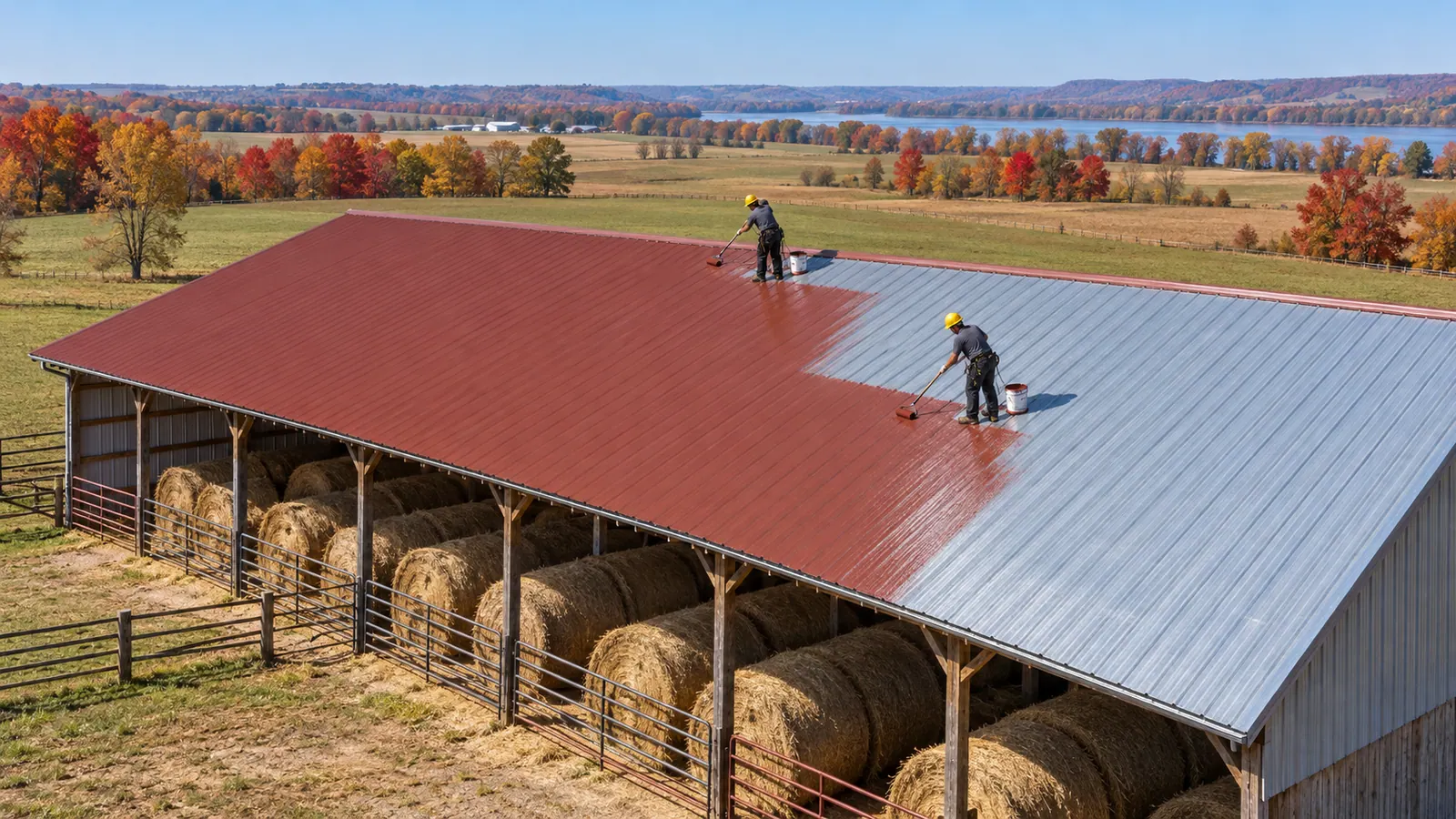
The pitched panels around a silicone section still need screws, laps, and ridge caps sealed under a metal roof coating.
Commercial metal roof coating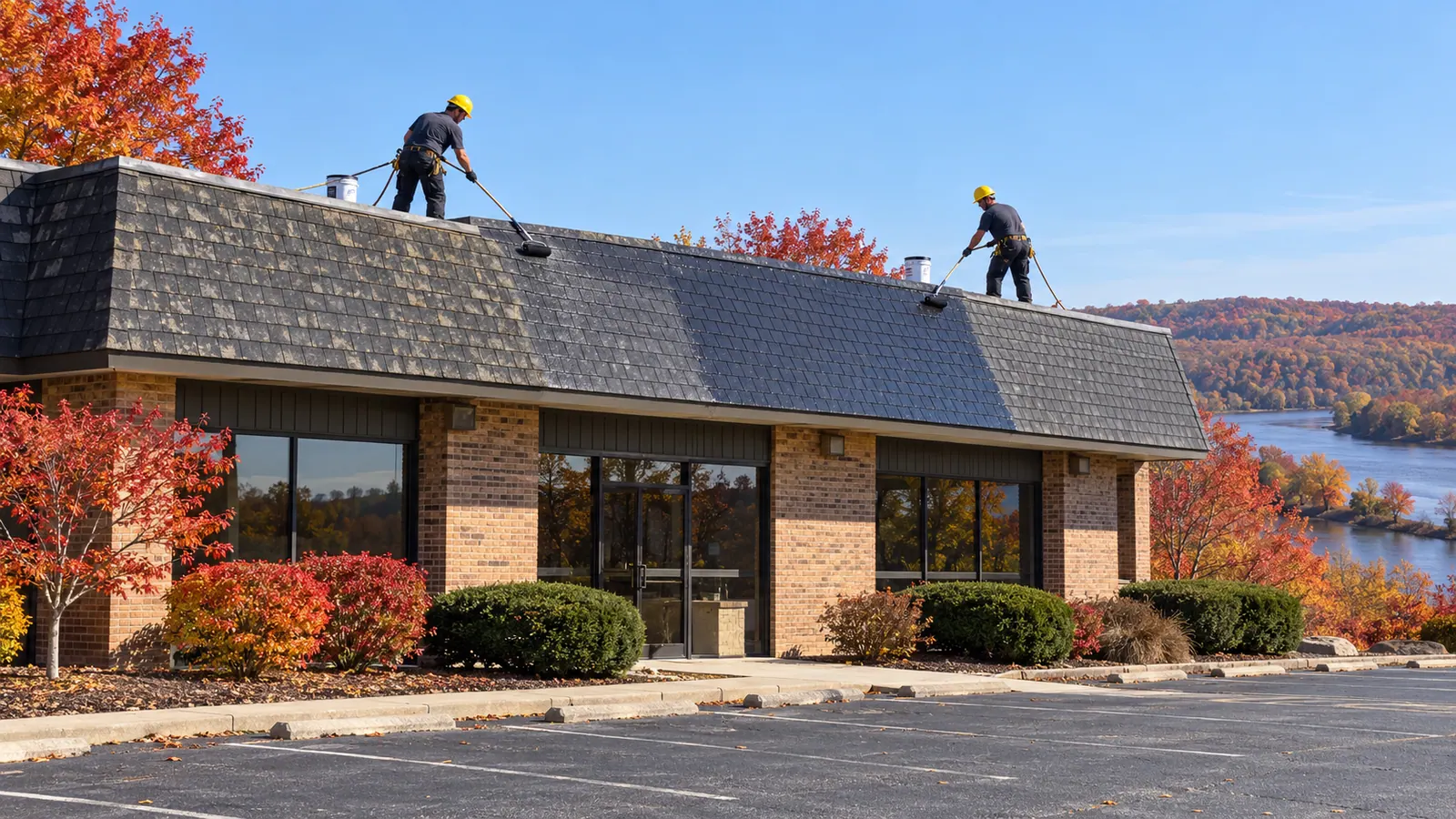
Steeper panels above a flat eave often take acrylic, with a carefully detailed line where the two coatings meet.
Acrylic coating for pitched panels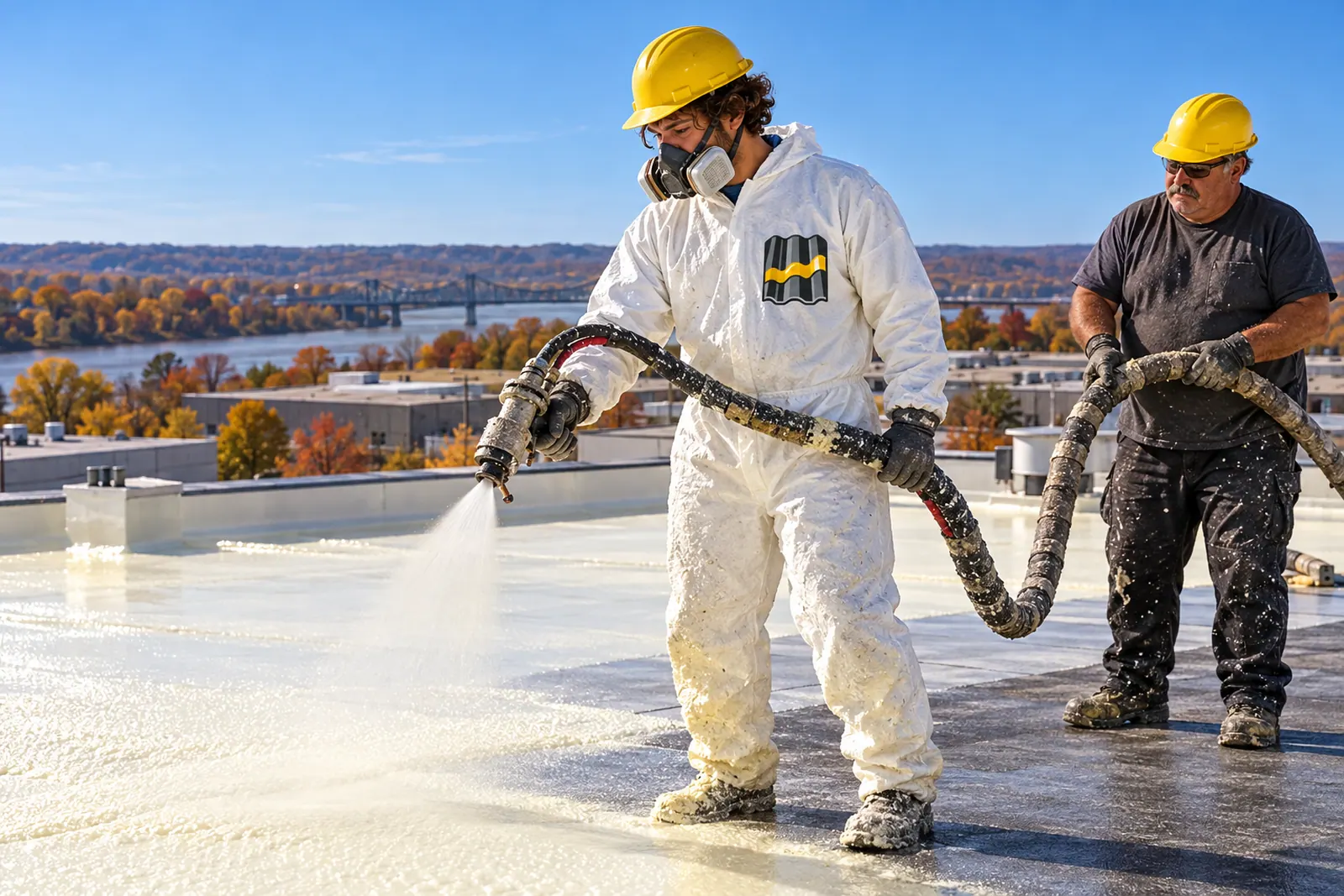
A low-slope roof with thin insulation can take foam first, then a silicone topcoat over the foam.
Foam with a silicone topcoatAnswers about ponding, weather, and rooftop units on low-slope roofs around Henderson.
Low-pitch metal roofs, flat eave sections, and spots where water lingers after a storm are where it fits. Silicone resists ponding and sunlight at the low ends of long panels. It needs a clean surface and a compatible primer, and future recoats go best with more silicone.
Often it can, once the acrylic is washed and a test patch shows good adhesion. The trade-off is the recoat path: after silicone goes on, later coats should be silicone too. Owners who want to keep recoating with acrylic should keep acrylic on that section.
Hot, humid summers and winters that swing across freezing make steel panels expand and contract, working screws and laps loose. An elastomeric coating flexes with that movement where rigid paint cracks. Morning dew also sets the start time, because coating goes on dry metal only.
Rain due before the coat skins over pushes the work to another day. Silicone tolerates moisture sooner than acrylic, so its window is wider, yet crews still check the National Weather Service forecast from Paducah, the dew point, and panel temperature before opening a pail.
Every penetration gets flashed with fabric and coating before the field coat. Open corners on HVAC curbs get sealed, cracked pipe boots are replaced or wrapped, loose exhaust fan flashing is refastened, and failed sealant at conduit supports is redone. Units due for replacement are best swapped first.
Units near the spray zone shut down while that area is coated, mostly to keep overspray and odor out of the fresh-air intake. Units farther away keep running. We set shutdown times with the building manager before the work day starts.
Send the roof size and condition for a ballpark range, or call us to look at the wet areas together.
Leave a name and number and we will call about your roof.
Or call now: (270) 236-5481