 Insulation
Bare Panels Over Open Rooms
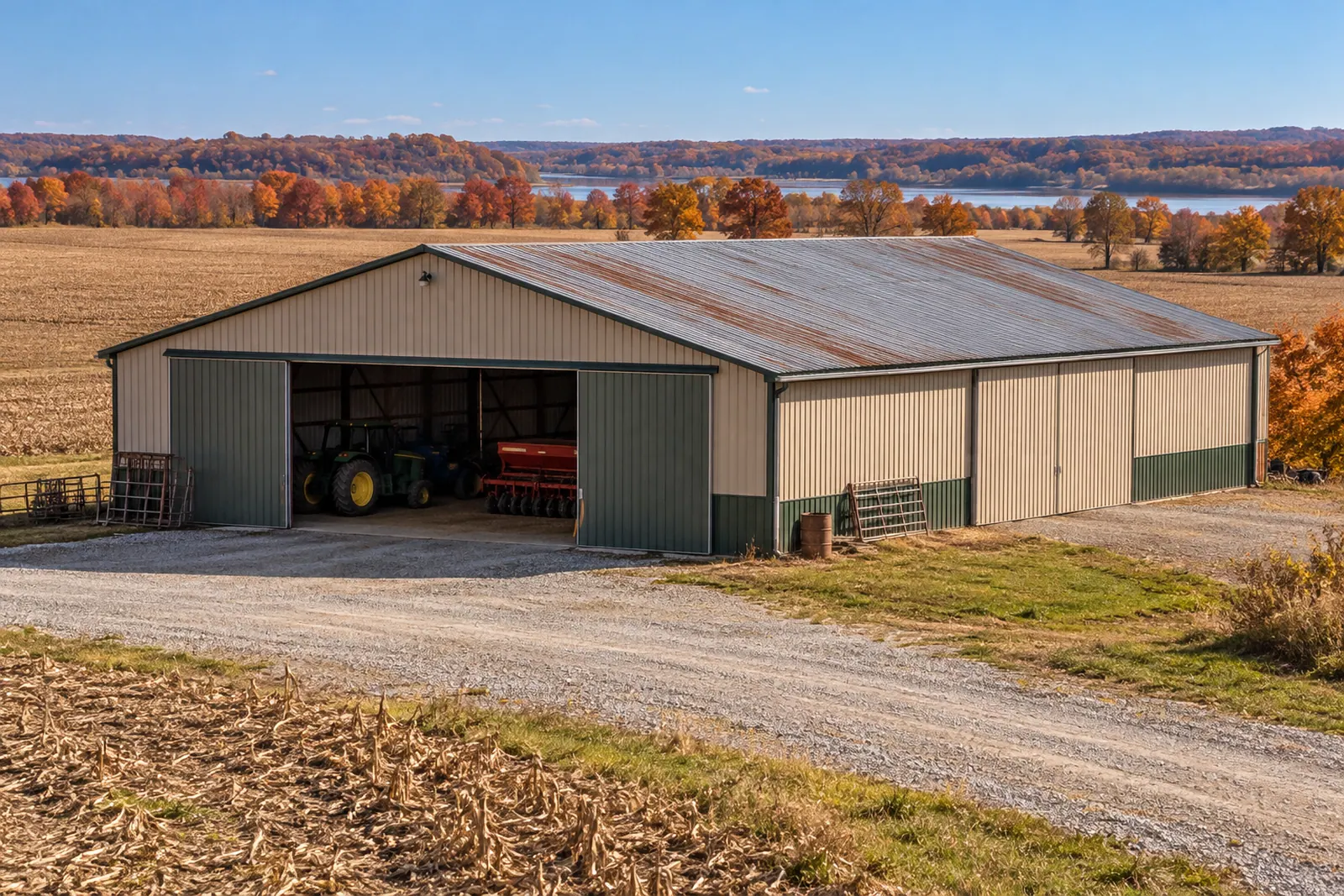
Shops with no insulation under the panels swing hot and cold with the weather. Foam adds R-value right on top of the existing roof.
Our spray foam roofing work in Henderson goes over existing commercial metal and low-slope roofs, then gets a silicone or acrylic topcoat for protection.
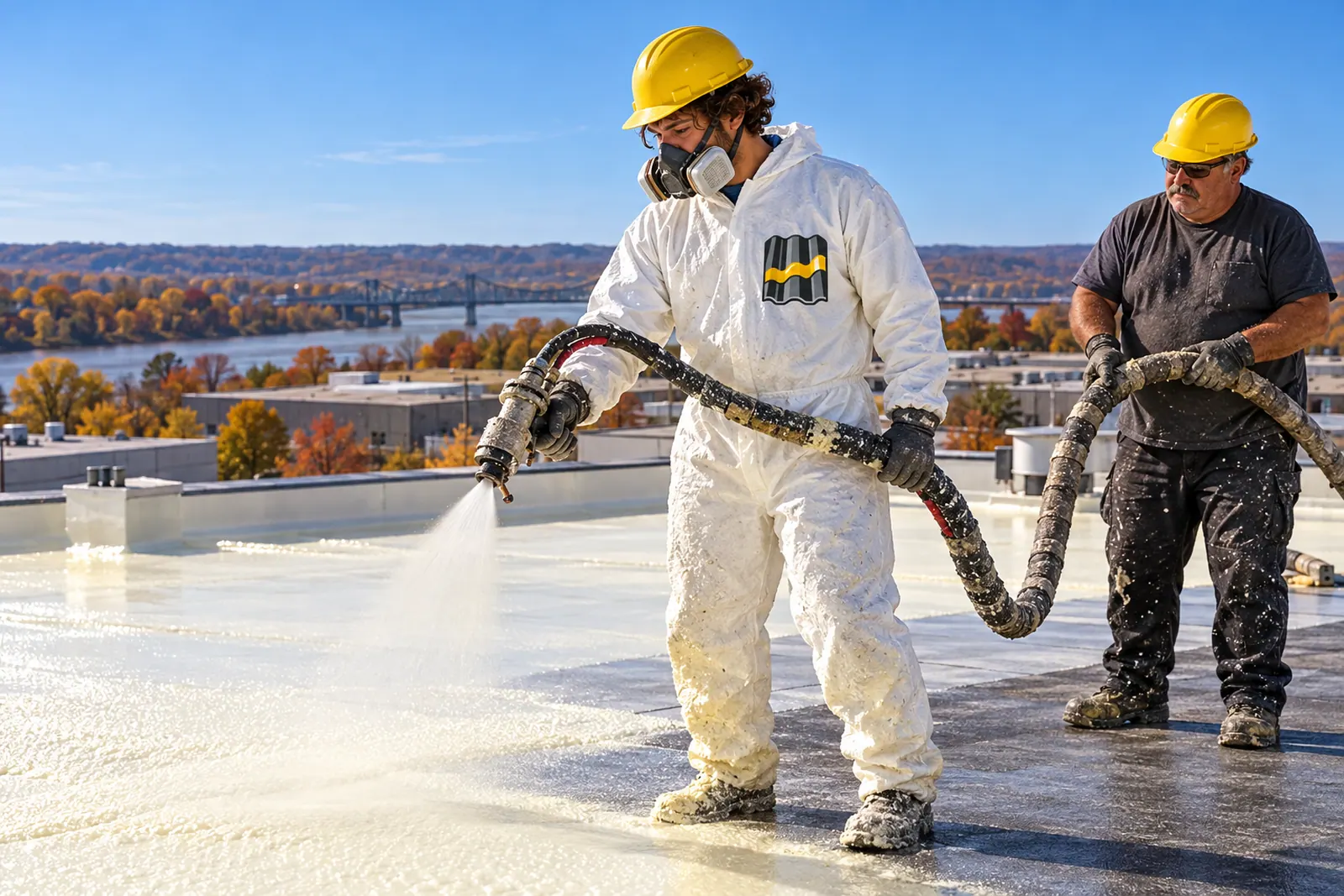
Foam makes the most sense when insulation is thin or the old roof is uneven. The right column covers what we sort out before spraying.
These are the conditions where a coating alone leaves a gap and foam closes it.
InsulationShops with no insulation under the panels swing hot and cold with the weather. Foam adds R-value right on top of the existing roof.
 Panels
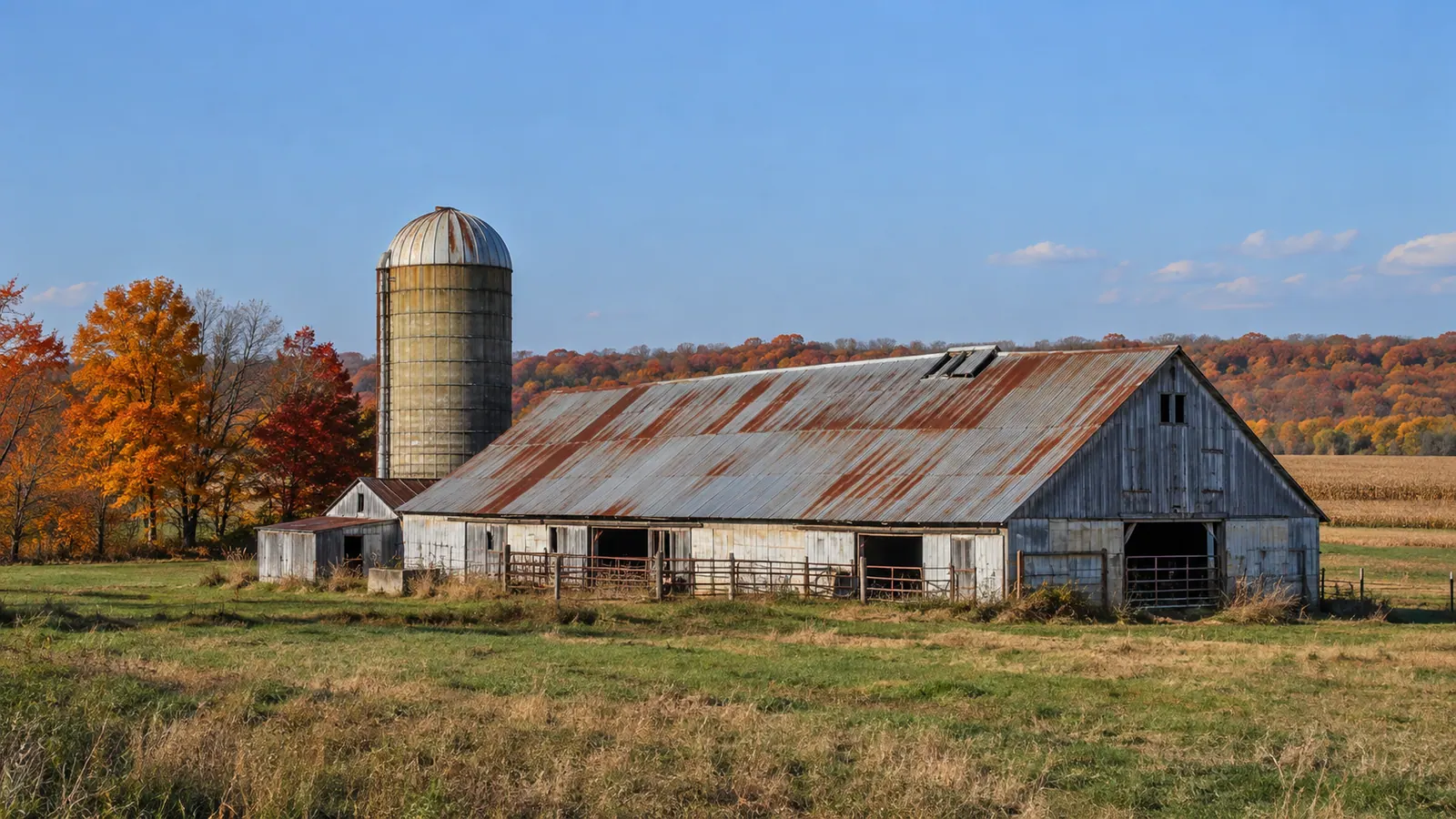
Years of patches leave lumps, mismatched panels, and sealant piles. Foam fills the profile and evens it out into one surface.
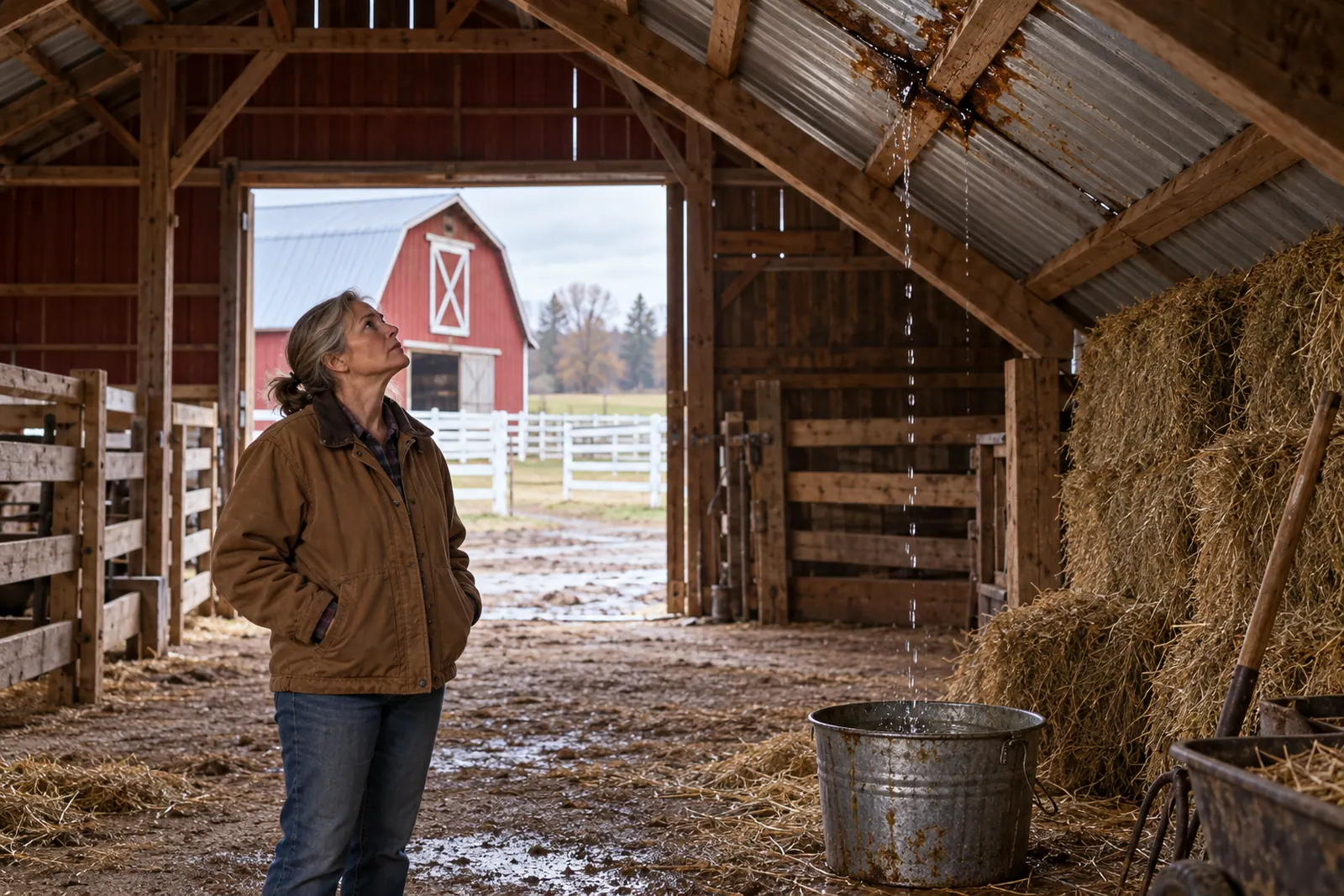 Inside
Warm, damp air meeting cold steel drips like a leak. Foam on the outside keeps the panels warmer, which helps with that drip.
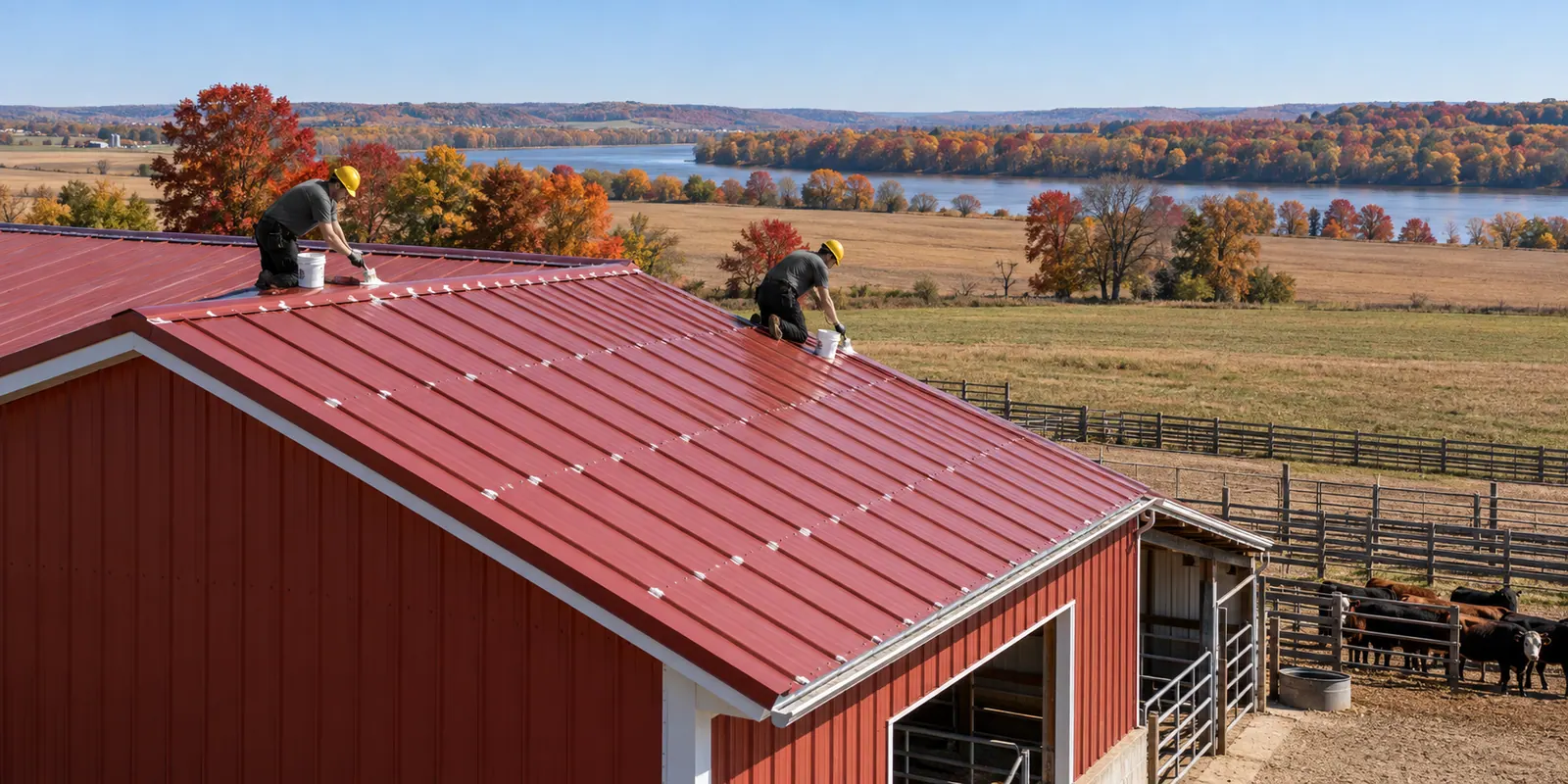 Fasteners
Rusting fastener rows would each need sealing under a coating. Foam buries them under one layer instead of sealing them one by one.
Coating alone and foam plus coating solve different problems. This is how the two compare on a Henderson metal building.
| Factor | Coating Only | Spray Foam Plus Coating |
|---|---|---|
| Insulation added | Little | Yes, foam adds R-value |
| Thickness | Thin | Thicker; edges and structure checked |
| Screws and laps | Sealed one by one | Buried under foam |
| Edges and gutters | Minimal changes | Trim and gutters often raised |
| Best fit | Solid panels with enough insulation | Under-insulated buildings and uneven panels |
Foam with a coating on top works as both a roof surface and insulation. These are the gains that make the extra edge work worth it.

Sprayed foam fills every rib and fastener row, adds R-value, and gives the roof one continuous surface. The topcoat over it keeps sunlight from breaking the foam down.
Shops and storage rooms under bare metal gain a layer of insulation without opening the ceiling or tearing off panels.
The existing panels stay in place under the foam, so no demolition debris leaves the building and the interior stays covered.
Upkeep means washing and renewing the silicone or acrylic topcoat over time, while the foam underneath keeps its insulating value.
Heat and condensation under bare panels often point to foam. Call us and tell us how the building is used and what you notice inside.
Call UsFoam is weather-sensitive work. These four stages keep it on the roof and off everything around the building.
We check that the deck and insulation are dry, the purlins can carry the foam, and the edge trim, gutters, and unit curbs leave room for the added thickness. Wet areas are cut out first.
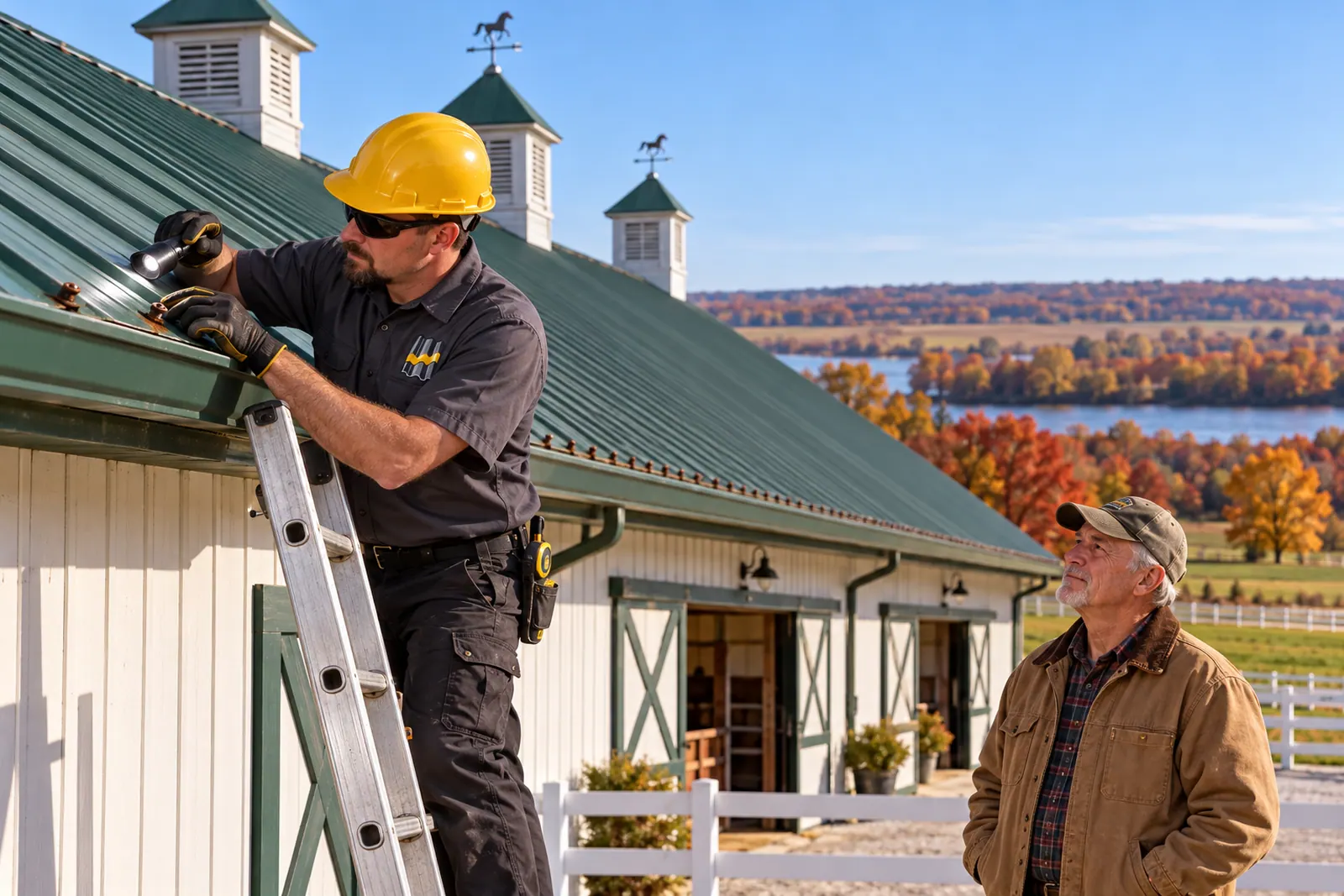
Parking near the walls is cleared, windows and walls are masked, and rooftop air intakes are shut down or covered. Overspray control decides how close vehicles can sit while we spray.
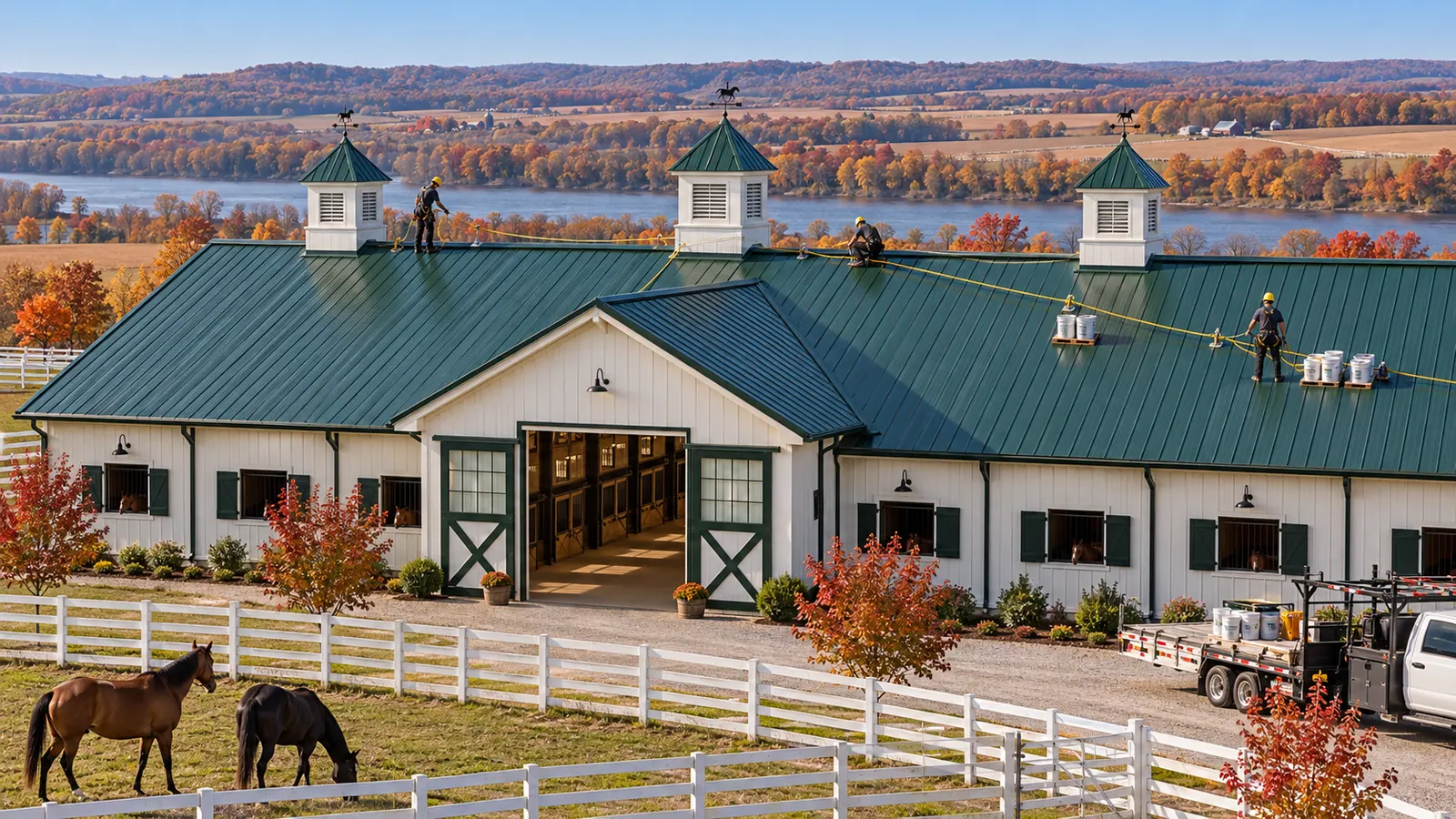
Clean, dry panels get foam in passes until the ribs are filled and the specified thickness is reached. Thickness gets checked across the roof, and edges are shaped to drain.
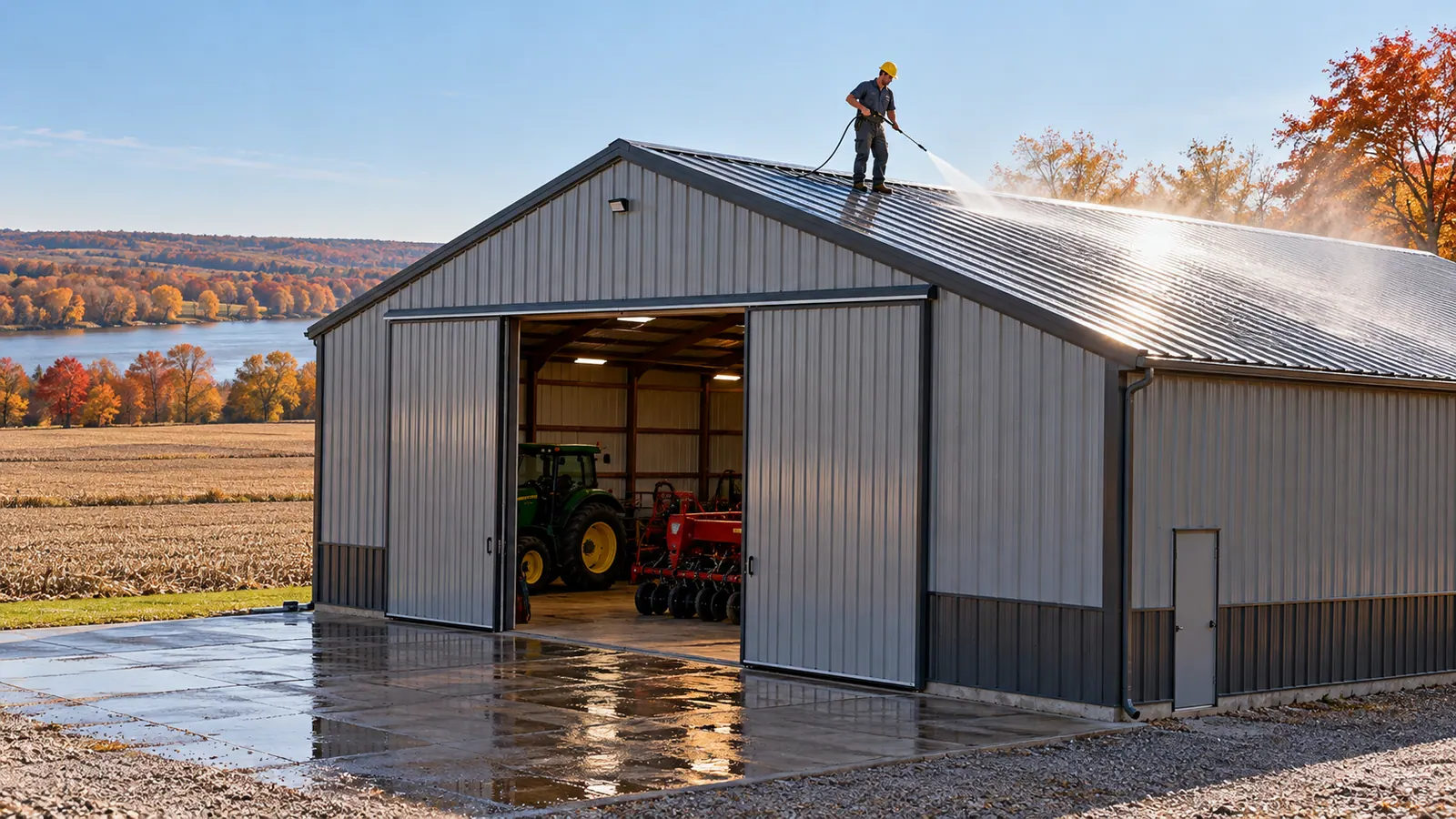
A silicone or acrylic topcoat goes over the foam right after spraying, since sunlight breaks down bare foam. Coat thickness is measured before the roof is signed off.
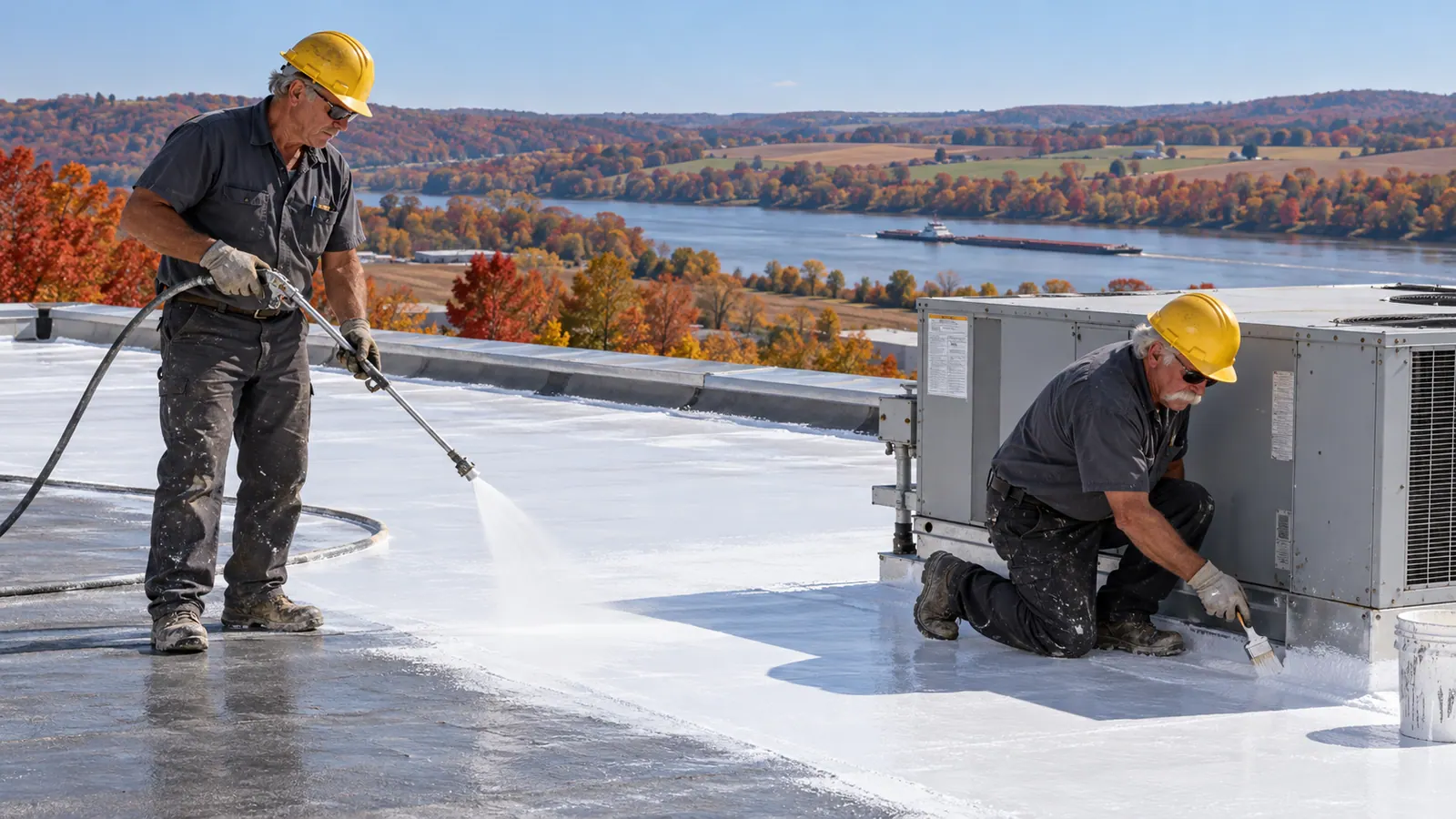
Every foam roof gets a topcoat, and some buildings mix foam with plain coating on other sections.
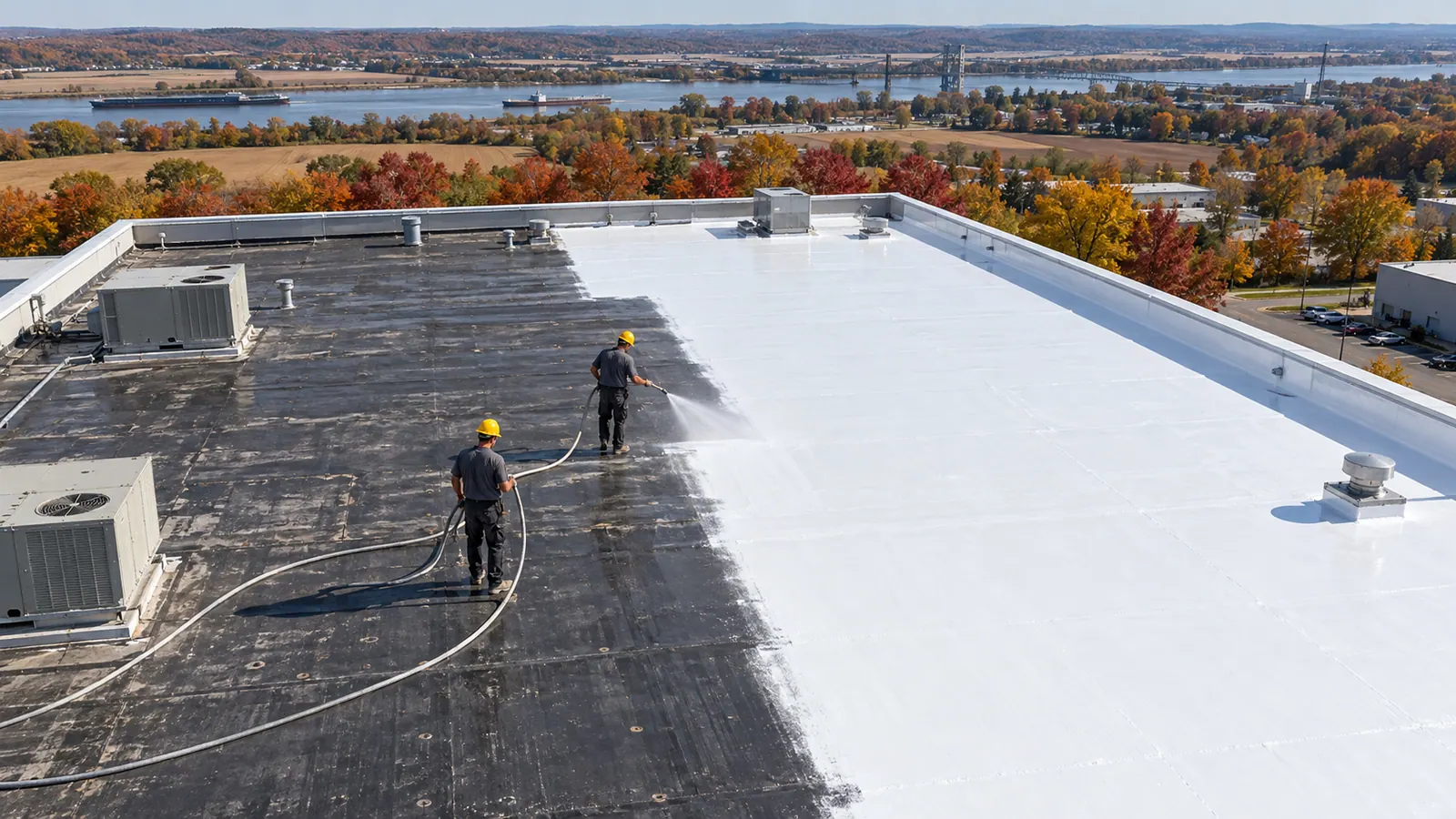
A silicone topcoat suits foam on low-slope roofs where water can sit for a while after storms.
Silicone topcoats and coatings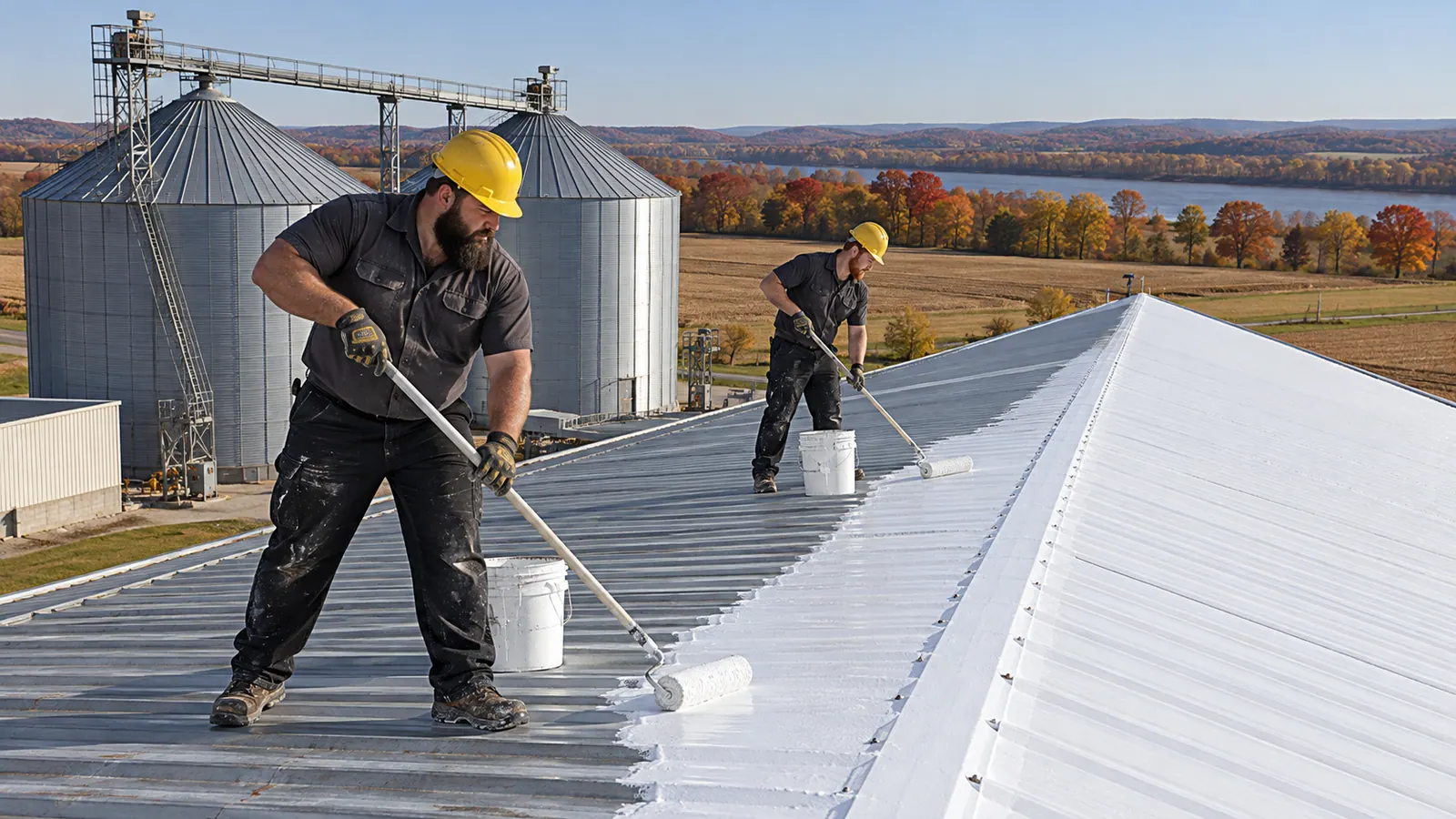
On foam with good slope to drain, an acrylic topcoat gives a white, low-odor finish that recoats with acrylic.
Acrylic topcoats and coatings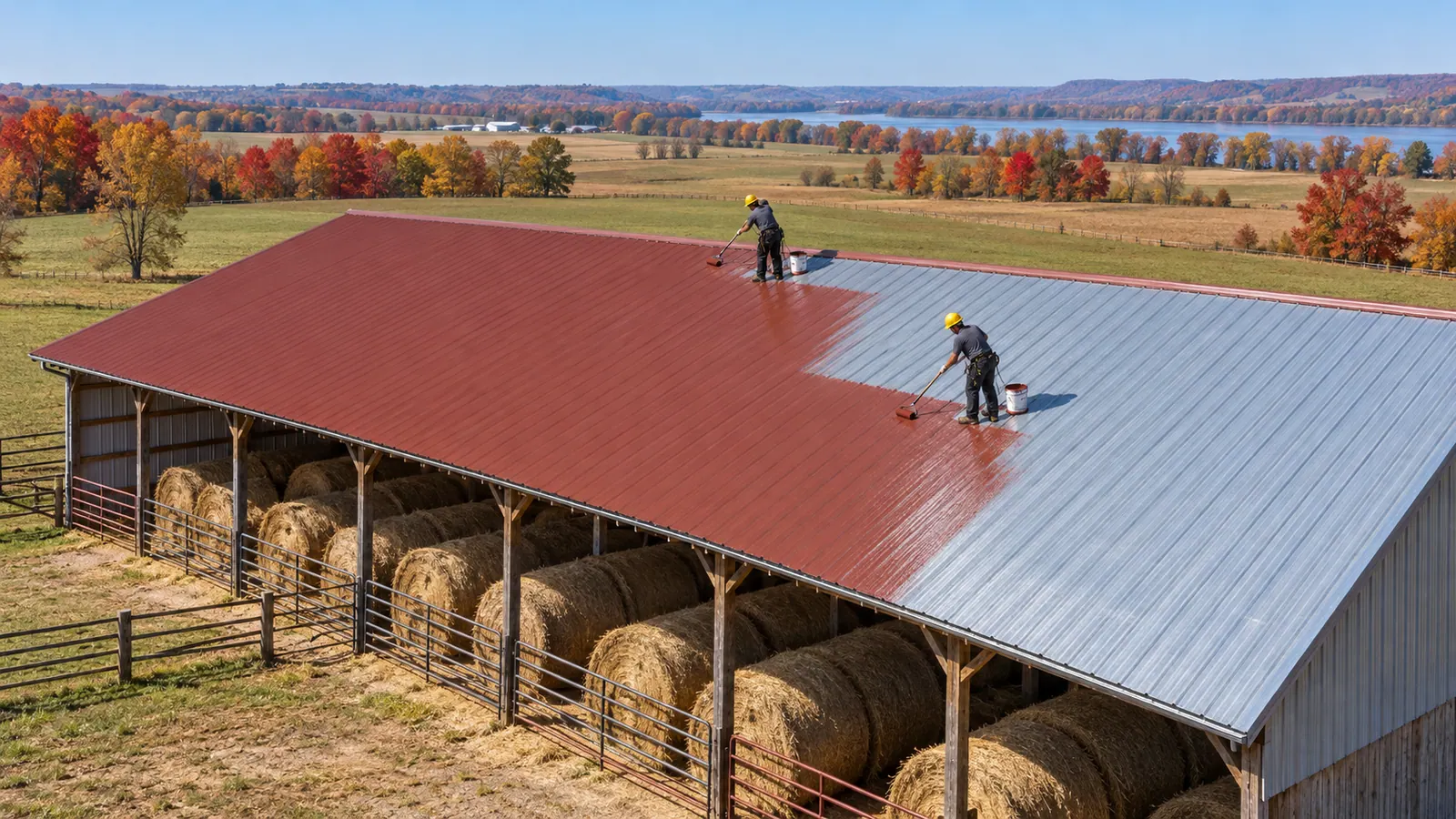
Sections with enough insulation can skip foam and take a standard metal roof coating over sealed screws and laps.
Commercial metal roof coatingAnswers about foam over metal, working around an open building, and first steps.
Yes. Spray polyurethane foam can go over metal panels to add insulation and form one continuous surface over the ribs. The foam fills the panel profile, then a silicone or acrylic coating protects it from sunlight. Edges and the structure get checked for the added thickness.
Thickness comes from the insulation goal, the panel profile, and the drainage plan, and it is set in the written scope before spraying. Deeper ribs take more foam just to fill the profile. Thicker foam raises the roof edge, so trim, gutters, and curb heights are planned around it.
Most businesses keep operating, because the work happens on top of the roof. Noise comes mainly from pressure washing and screw work. Rooftop units near the spray zone may shut down for a while, parking near the walls is limited, and deliveries are scheduled around crew movement.
Fresh-air intakes near the spray zone are closed or covered while foam and topcoat go on. Overspray control decides how close cars can park, so we mark off the lot with the manager beforehand. Wind speed on the day decides whether spraying starts at all.
It starts with a roof inspection covering rust, screws, laps, skylight panels, and gutters, which shows whether the roof fits coating, restoration, re-panel, or replacement. Next, confirm permits with the right office, ask your electric utility about reflective roof programs, pick a dry season window, and plan unit shutdowns.
It can. Foam adds thickness and raises the roof edge, so the city, county, or state office for your building may ask about the scope. Coating-only work is simpler to clear, and we list foam thickness, edge changes, and rooftop electrical work when that question comes up.
Tell us the roof size and how the building is used, or call us to talk through foam and topcoat choices.
Leave a name and number and we will call about your roof.
Or call now: (270) 236-5481